Trypanosomatida
Order of flagellate protists
Trypanosomatida is an order of Kinetoplastea, a class of flagellate protists. All members of this order are parasitic and are known for their complex life cycles, often involving multiple hosts. They are responsible for several significant diseases in humans and other animals.
Morphology[edit]

Trypanosomatids are characterized by the presence of a single flagellum and a unique organelle called the kinetoplast, which is a network of circular DNA inside a large mitochondrion. The morphology of these organisms can vary significantly depending on their life cycle stage and host environment. Common forms include the trypomastigote, epimastigote, promastigote, and amastigote stages.
Life Cycle[edit]
The life cycle of trypanosomatids typically involves an invertebrate vector and a vertebrate host. For example, Trypanosoma brucei, the causative agent of African trypanosomiasis, is transmitted by the tsetse fly. In contrast, Leishmania species are transmitted by sandflies.
Pathogenic Species[edit]
Several species within the Trypanosomatida order are pathogenic to humans and animals:
Trypanosoma[edit]
_Trypanosoma_equiperdum.jpg)
Trypanosoma brucei causes African sleeping sickness, while Trypanosoma cruzi is responsible for Chagas disease. These diseases are significant public health concerns in their respective endemic regions.
Leishmania[edit]
Leishmania donovani and other species cause leishmaniasis, which can manifest in cutaneous, mucocutaneous, or visceral forms. The disease is prevalent in tropical and subtropical regions.
Non-Pathogenic Species[edit]

Some trypanosomatids, such as Crithidia and Phytomonas, are not pathogenic to humans but can affect plants or insects. Crithidia species are often found in the digestive tracts of insects, while Phytomonas can infect plants, causing diseases in crops.
Research and Importance[edit]
Trypanosomatids are of significant interest in biomedical research due to their unique biology and the diseases they cause. Understanding their life cycles, host interactions, and molecular biology is crucial for developing effective treatments and control strategies.
Gallery[edit]
-
Phytomonas serpens
-
Angomonas deanei
-
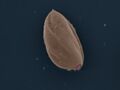 Leishmania mexicana Amastigote

Related Pages[edit]

Medical Disclaimer: WikiMD is for informational purposes only and is not a substitute for professional medical advice. Content may be inaccurate or outdated and should not be used for diagnosis or treatment. Always consult your healthcare provider for medical decisions. Verify information with trusted sources such as CDC.gov and NIH.gov. By using this site, you agree that WikiMD is not liable for any outcomes related to its content. See full disclaimer.
Credits:Most images are courtesy of Wikimedia commons, and templates, categories Wikipedia, licensed under CC BY SA or similar.
Translate page: - East Asian
中文,
日本,
한국어,
South Asian
हिन्दी,
தமிழ்,
తెలుగు,
Urdu,
ಕನ್ನಡ,
Southeast Asian
Indonesian,
Vietnamese,
Thai,
မြန်မာဘာသာ,
বাংলা
European
español,
Deutsch,
français,
Greek,
português do Brasil,
polski,
română,
русский,
Nederlands,
norsk,
svenska,
suomi,
Italian
Middle Eastern & African
عربى,
Turkish,
Persian,
Hebrew,
Afrikaans,
isiZulu,
Kiswahili,
Other
Bulgarian,
Hungarian,
Czech,
Swedish,
മലയാളം,
मराठी,
ਪੰਜਾਬੀ,
ગુજરાતી,
Portuguese,
Ukrainian


