Polyol
A Polyol is a type of polymer that contains multiple hydroxyl groups. Polyols are used in a variety of industrial applications, including the production of polyurethane foams, resins, elastomers, and adhesives. They are also used in the food industry as sugar substitutes and in the pharmaceutical industry in the formulation of drug delivery systems.
Chemical Structure[edit]
Polyols are characterized by their multiple hydroxyl groups. These groups are reactive and can form bonds with other molecules, making polyols useful in the production of polymers. The number and arrangement of the hydroxyl groups in a polyol molecule can affect its properties, such as its reactivity, solubility, and viscosity.
Types of Polyols[edit]
There are several types of polyols, including glycols, glycerols, and sorbitols. Glycols are the simplest type of polyol and contain two hydroxyl groups. Glycerols contain three hydroxyl groups, while sorbitols, a type of sugar alcohol, contain multiple hydroxyl groups.
Applications[edit]
Polyurethane Production[edit]
Polyols are a key component in the production of polyurethane foams. They react with isocyanates to form the polymer matrix of the foam. The properties of the foam, such as its density, flexibility, and thermal conductivity, can be adjusted by varying the type and amount of polyol used.
Food Industry[edit]
In the food industry, polyols are used as sugar substitutes. They provide sweetness without the calories of sugar, making them popular in diet foods and sugar-free products. Some polyols, such as xylitol, also have dental benefits and are used in chewing gum and other oral care products.
Pharmaceutical Industry[edit]
Polyols are used in the pharmaceutical industry in the formulation of drug delivery systems. They can enhance the solubility of drugs, improve their stability, and control their release rate. Some polyols, such as mannitol, are also used as excipients in tablets and capsules.
See Also[edit]
 | This article about polymer science is a stub. You can help WikiMD by expanding the page. |


-
Glyptal structure
-
 Pentaerythritol structure
 -
 Xylitol structure
 -
 Polyether polyol structure
 -
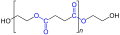 Polyester polyol structure


Medical Disclaimer: WikiMD is for informational purposes only and is not a substitute for professional medical advice. Content may be inaccurate or outdated and should not be used for diagnosis or treatment. Always consult your healthcare provider for medical decisions. Verify information with trusted sources such as CDC.gov and NIH.gov. By using this site, you agree that WikiMD is not liable for any outcomes related to its content. See full disclaimer.
Credits:Most images are courtesy of Wikimedia commons, and templates, categories Wikipedia, licensed under CC BY SA or similar.
Translate page: - East Asian
中文,
日本,
한국어,
South Asian
हिन्दी,
தமிழ்,
తెలుగు,
Urdu,
ಕನ್ನಡ,
Southeast Asian
Indonesian,
Vietnamese,
Thai,
မြန်မာဘာသာ,
বাংলা
European
español,
Deutsch,
français,
Greek,
português do Brasil,
polski,
română,
русский,
Nederlands,
norsk,
svenska,
suomi,
Italian
Middle Eastern & African
عربى,
Turkish,
Persian,
Hebrew,
Afrikaans,
isiZulu,
Kiswahili,
Other
Bulgarian,
Hungarian,
Czech,
Swedish,
മലയാളം,
मराठी,
ਪੰਜਾਬੀ,
ગુજરાતી,
Portuguese,
Ukrainian


