List of Bangladeshi spices
Bangladeshi spices are a collection of flavoring agents used in Bangladeshi cuisine. These spices are integral to the culinary traditions of Bangladesh and are used to enhance the flavor, aroma, and color of the food.
Overview[edit]
Bangladeshi cuisine is known for its rich and diverse flavors, which are achieved through the use of a variety of spices. These spices are typically used in combination to create complex flavor profiles. Some of the most commonly used Bangladeshi spices include turmeric, cumin, coriander, chili powder, and fenugreek.
List of Bangladeshi Spices[edit]
Turmeric[edit]
Turmeric is a staple spice in Bangladeshi cuisine. It is used for its vibrant yellow color and earthy flavor. Turmeric is also known for its health benefits, including anti-inflammatory and antioxidant properties.
Cumin[edit]
Cumin is a spice made from the dried seeds of the Cuminum cyminum plant. It is used in Bangladeshi cuisine for its distinctive aroma and warm, earthy flavor.
Coriander[edit]
Coriander is used in two forms in Bangladeshi cuisine: as fresh leaves and as dried seeds. The leaves, also known as cilantro, are used as a garnish or added at the end of cooking for a burst of flavor. The seeds are used as a spice, either whole or ground, and have a warm, nutty flavor.
Chili Powder[edit]
Chili powder is a spice made from dried, ground chili peppers. It is used in Bangladeshi cuisine to add heat and color to dishes.
Fenugreek[edit]
Fenugreek is a spice made from the seeds of the Trigonella foenum-graecum plant. It has a bitter, slightly sweet flavor and is used in Bangladeshi cuisine in both whole and ground form.
See Also[edit]
References[edit]
This is a non-exhaustive food and drink related list.

List of Bangladeshi spices[edit]
-
 Fresh Ginger
 -
 Radhuni Seeds
 -
 Ajwain
 -
 Amla
Amla -
 Pomegranate
 -
 Ocimum tenuiflorum
 -
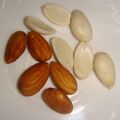 Almond
 -
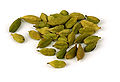 Cardamom


_(4938449876).jpg)

.jpg)


Medical Disclaimer: WikiMD is for informational purposes only and is not a substitute for professional medical advice. Content may be inaccurate or outdated and should not be used for diagnosis or treatment. Always consult your healthcare provider for medical decisions. Verify information with trusted sources such as CDC.gov and NIH.gov. By using this site, you agree that WikiMD is not liable for any outcomes related to its content. See full disclaimer.
Credits:Most images are courtesy of Wikimedia commons, and templates, categories Wikipedia, licensed under CC BY SA or similar.
Translate page: - East Asian
中文,
日本,
한국어,
South Asian
हिन्दी,
தமிழ்,
తెలుగు,
Urdu,
ಕನ್ನಡ,
Southeast Asian
Indonesian,
Vietnamese,
Thai,
မြန်မာဘာသာ,
বাংলা
European
español,
Deutsch,
français,
Greek,
português do Brasil,
polski,
română,
русский,
Nederlands,
norsk,
svenska,
suomi,
Italian
Middle Eastern & African
عربى,
Turkish,
Persian,
Hebrew,
Afrikaans,
isiZulu,
Kiswahili,
Other
Bulgarian,
Hungarian,
Czech,
Swedish,
മലയാളം,
मराठी,
ਪੰਜਾਬੀ,
ગુજરાતી,
Portuguese,
Ukrainian

