Herbal medicine
A comprehensive overview of herbal medicine
Herbal medicine, also known as botanical medicine, is the use of plants and plant extracts for therapeutic purposes. It is one of the oldest forms of medicine, with a history that spans across cultures and centuries. Herbal medicine is a key component of traditional medicine systems such as Traditional Chinese Medicine (TCM) and Ayurveda.
History[edit]
The use of plants for medicinal purposes dates back to prehistoric times. Archaeological evidence suggests that humans have been using plants for healing for at least 60,000 years. Ancient civilizations such as the Egyptians, Greeks, and Romans documented the use of herbs in their medical texts. The Ebers Papyrus, an Egyptian medical papyrus dating to around 1550 BCE, contains over 700 plant-based remedies.
Principles of Herbal Medicine[edit]
Herbal medicine is based on the principle that plants contain natural substances that can promote health and alleviate illness. These substances include alkaloids, glycosides, tannins, and flavonoids. Herbalists believe in using whole plants or plant parts, such as leaves, roots, and flowers, to maintain the balance and synergy of the plant's constituents.
Commonly Used Herbs[edit]
Some of the most commonly used herbs in herbal medicine include:
- Echinacea - Often used to boost the immune system and reduce symptoms of colds and flu.
- Ginseng - Known for its adaptogenic properties, it is used to improve energy and reduce stress.
- Ginkgo biloba - Used to enhance cognitive function and improve circulation.
- St. John's Wort - Commonly used for its antidepressant effects.
- Turmeric - Contains curcumin, which has anti-inflammatory and antioxidant properties.
Preparation and Administration[edit]
Herbal remedies can be prepared in various forms, including:
- Teas - Made by steeping herbs in hot water.
- Tinctures - Alcohol-based extracts of herbs.
- Capsules and Tablets - Contain powdered herbs or extracts.
- Ointments and Creams - Used for topical application.
Safety and Regulation[edit]
While herbal medicine is generally considered safe, it is important to use herbs responsibly. Some herbs can interact with pharmaceutical drugs or cause adverse effects. In many countries, herbal products are regulated as dietary supplements, which means they are not subject to the same rigorous testing as conventional medicines.
Modern Research and Applications[edit]
Research into herbal medicine continues to grow, with studies exploring the efficacy and safety of various herbs. Some herbs have been integrated into complementary and alternative medicine (CAM) practices and are used alongside conventional treatments.
Related pages[edit]
-
 Herbal medicine
 -
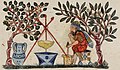 Herbal medicine
 -
 Herbal medicine
 -
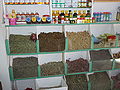 Herbal medicine
 -
 Herbal medicine
 -
 Herbal medicine
 -
 Herbal medicine
 -
 Herbal medicine
 -
 Herbal medicine
 -
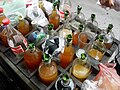 Herbal medicine

.jpg)


.JPG)


Ad. Transform your life with W8MD's
GLP-1 weight loss injections special from $29.99


W8MD Medical Weight Loss, Sleep and Medspa offers physician-supervised medical weight loss programs: NYC medical weight loss Philadelphia medical weight loss
Affordable GLP-1 Weight Loss ShotsAffordable GLP-1 Weight Loss Shots
Budget GLP-1 injections NYC (insurance & self-pay options) Popular treatments:
- Semaglutide starting from $29.99/week
- Tirzepatide starting from $45.00/week
✔ Most insurances accepted for visits ✔ Prior authorization support when eligible
Start your physician weight loss NYC journey today:
📍 NYC: Brooklyn weight loss center 📍 Philadelphia: Philadelphia weight loss center
📞 Call: 718-946-5500 (NYC) | 215-676-2334 (Philadelphia)
Tags: Affordable GLP1 weight loss NYC, Wegovy NYC, Zepbound NYC, Philadelphia medical weight loss


|
WikiMD Medical Encyclopedia |
Medical Disclaimer: WikiMD is not a substitute for professional medical advice. The information on WikiMD is provided as an information resource only, may be incorrect, outdated or misleading, and is not to be used or relied on for any diagnostic or treatment purposes. Please consult your health care provider before making any healthcare decisions or for guidance about a specific medical condition. WikiMD expressly disclaims responsibility, and shall have no liability, for any damages, loss, injury, or liability whatsoever suffered as a result of your reliance on the information contained in this site. By visiting this site you agree to the foregoing terms and conditions, which may from time to time be changed or supplemented by WikiMD. If you do not agree to the foregoing terms and conditions, you should not enter or use this site. See full disclaimer.
Credits:Most images are courtesy of Wikimedia commons, and templates, categories Wikipedia, licensed under CC BY SA or similar.
Translate this page: - East Asian
中文,
日本,
한국어,
South Asian
हिन्दी,
தமிழ்,
తెలుగు,
Urdu,
ಕನ್ನಡ,
Southeast Asian
Indonesian,
Vietnamese,
Thai,
မြန်မာဘာသာ,
বাংলা
European
español,
Deutsch,
français,
Greek,
português do Brasil,
polski,
română,
русский,
Nederlands,
norsk,
svenska,
suomi,
Italian
Middle Eastern & African
عربى,
Turkish,
Persian,
Hebrew,
Afrikaans,
isiZulu,
Kiswahili,
Other
Bulgarian,
Hungarian,
Czech,
Swedish,
മലയാളം,
मराठी,
ਪੰਜਾਬੀ,
ગુજરાતી,
Portuguese,
Ukrainian
