Coconut candy
Coconut candy is a type of confectionery that prominently features the flavor and texture of the coconut. Originating from various parts of the world, coconut candy has a rich history and diverse range of variations, each with its unique preparation methods and ingredients.
History[edit]
The history of coconut candy can be traced back to several cultures worldwide, including the Philippines, Vietnam, and the Caribbean. In these regions, coconuts are abundant, and the locals have ingeniously incorporated them into their confectionery traditions.
Preparation[edit]
The basic preparation of coconut candy involves the use of grated coconut, sugar, and often a binding agent such as corn syrup or condensed milk. The mixture is heated until the sugar dissolves and then allowed to cool and harden into candies. Variations of the recipe may include additional flavorings such as vanilla, chocolate, or nuts.
Variations[edit]
Philippines[edit]
In the Philippines, coconut candy is known as bukayo. This traditional Filipino sweet treat is made by simmering strips of young, sweet coconut in water and then mixing in brown sugar.
Vietnam[edit]
In Vietnam, kẹo dừa or coconut candy is a specialty of Bến Tre Province. The candy is made by cooking coconut milk and sugar, and then cutting the mixture into small rectangular pieces.
Caribbean[edit]
In the Caribbean, particularly in Trinidad and Tobago, coconut candy is known as sugar cake. The candy is made by boiling grated coconut with sugar and coloring it with red food dye.
See also[edit]
References[edit]
External links[edit]

-
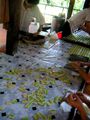 Coconut candy
 -
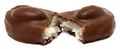 Coconut candy
 -
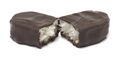 Coconut candy
 -
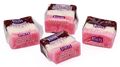 Coconut candy


Medical Disclaimer: WikiMD is for informational purposes only and is not a substitute for professional medical advice. Content may be inaccurate or outdated and should not be used for diagnosis or treatment. Always consult your healthcare provider for medical decisions. Verify information with trusted sources such as CDC.gov and NIH.gov. By using this site, you agree that WikiMD is not liable for any outcomes related to its content. See full disclaimer.
Credits:Most images are courtesy of Wikimedia commons, and templates, categories Wikipedia, licensed under CC BY SA or similar.
Translate page: - East Asian
中文,
日本,
한국어,
South Asian
हिन्दी,
தமிழ்,
తెలుగు,
Urdu,
ಕನ್ನಡ,
Southeast Asian
Indonesian,
Vietnamese,
Thai,
မြန်မာဘာသာ,
বাংলা
European
español,
Deutsch,
français,
Greek,
português do Brasil,
polski,
română,
русский,
Nederlands,
norsk,
svenska,
suomi,
Italian
Middle Eastern & African
عربى,
Turkish,
Persian,
Hebrew,
Afrikaans,
isiZulu,
Kiswahili,
Other
Bulgarian,
Hungarian,
Czech,
Swedish,
മലയാളം,
मराठी,
ਪੰਜਾਬੀ,
ગુજરાતી,
Portuguese,
Ukrainian

