Ceiba pentandra
Ceiba pentandra is a tropical tree species belonging to the Malvaceae family. It is one of the most prominent species in its genus, Ceiba. The tree is known by various common names, including kapok, silk cotton tree, and god tree.
Description[edit]
The Ceiba pentandra is a large tree, often reaching up to 70 meters in height. The trunk is cylindrical, buttressed, and can reach a diameter of 3 meters. The bark is smooth and gray, with conical spines. The leaves are palmate and compound, with 5 to 9 leaflets. The flowers are white or pink, with five petals. The fruit is a large, oval pod containing seeds surrounded by a fluffy, yellowish fiber known as kapok.
Distribution and habitat[edit]
Ceiba pentandra is native to the tropical regions of Central America, South America, and West Africa. It has been introduced to other tropical regions around the world. The tree prefers moist, well-drained soils and is often found in rainforests, riverbanks, and savannahs.
Uses[edit]
The most significant use of Ceiba pentandra is the extraction of kapok, a light, water-resistant fiber used in the manufacture of mattresses, pillows, life jackets, and insulation. The wood of the tree is also used in the construction of canoes, furniture, and in paper production. In traditional medicine, various parts of the tree are used to treat conditions such as fever, asthma, and dysentery.
Ecology[edit]
Ceiba pentandra plays a crucial role in its ecosystem. The tree's flowers provide a source of nectar for bats and bees, while the large seed pods provide food for monkeys and birds. The tree's large size and extensive root system also help to prevent soil erosion.
Conservation[edit]
While Ceiba pentandra is not currently listed as threatened or endangered, it faces threats from deforestation and habitat loss. Conservation efforts are focused on protecting the tree's natural habitat and promoting sustainable harvesting practices.
See also[edit]
This tree-related article is a stub. You can help WikiMD by expanding it.
-
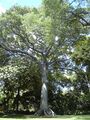 Ceiba pentandra
 -
Ceiba pentandra
-
Ceiba pentandra
-
Ceiba pentandra
-
Ceiba pentandra
-
Ceiba pentandra
-
Ceiba pentandra
-
Ceiba pentandra
-
Ceiba pentandra
-
Ceiba pentandra
-
Ceiba pentandra

Advertise on WikiMD — 81,000+ full articles, ~900,000 total pages, ~250 million page views. Global reach, limited time promotional rates from $1/page/day. Learn more · View stats


Translate page: - East Asian
中文,
日本,
한국어,
South Asian
हिन्दी,
தமிழ்,
తెలుగు,
Urdu,
ಕನ್ನಡ,
Southeast Asian
Indonesian,
Vietnamese,
Thai,
မြန်မာဘာသာ,
বাংলা
European
español,
Deutsch,
français,
Greek,
português do Brasil,
polski,
română,
русский,
Nederlands,
norsk,
svenska,
suomi,
Italian
Middle Eastern & African
عربى,
Turkish,
Persian,
Hebrew,
Afrikaans,
isiZulu,
Kiswahili,
Other
Bulgarian,
Hungarian,
Czech,
Swedish,
മലയാളം,
मराठी,
ਪੰਜਾਬੀ,
ગુજરાતી,
Portuguese,
Ukrainian
About WikiMD • Contact • Disclaimer • Privacy • Copyright • Site statistics
Some content and images may originate from Wikimedia Commons or Wikipedia and remain subject to their stated licenses. Unless otherwise noted, eligible WikiMD content is available under CC BY-SA 4.0.
WikiMD Wellnesspedia — Free health & wellness information for patients, students, and health professionals.


.jpg)


_Gaertn._(9327946214).jpg)


