Ambroxol
-
 Structural formula of Ambroxol
 -
 Ball-and-stick model of Ambroxol
 -
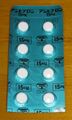 Antbron 15mg by Towa Pharmaceutical


Ambroxol[edit]
Ambroxol is a mucolytic agent used in the treatment of respiratory diseases associated with viscous or excessive mucus. It is commonly used to alleviate symptoms of cough and chronic obstructive pulmonary disease (COPD).
Pharmacology[edit]
Ambroxol works by breaking down mucopolysaccharides in the mucus, thereby reducing its viscosity and facilitating its clearance from the respiratory tract. It enhances the production of surfactant, a substance that helps keep the alveoli open, improving lung function.
Mechanism of Action[edit]
Ambroxol acts on the serous cells of the respiratory tract to increase the production of thin, watery secretions. This action helps to dilute the mucus, making it less sticky and easier to expel through coughing. Additionally, ambroxol has been shown to have anti-inflammatory and antioxidant properties, which may contribute to its therapeutic effects.
Clinical Uses[edit]
Ambroxol is indicated for use in conditions where there is excessive or thickened mucus, such as:
It is also used as an adjunct therapy in the management of acute respiratory distress syndrome (ARDS).
Dosage and Administration[edit]
Ambroxol is available in various forms, including tablets, syrups, and inhalation solutions. The dosage and administration depend on the age of the patient and the severity of the condition. It is important to follow the prescribed dosage to avoid potential side effects.
Side Effects[edit]
Common side effects of ambroxol include:
- Gastrointestinal disturbances such as nausea and vomiting
- Allergic reactions like rash and urticaria
- Headache
Severe side effects are rare but may include anaphylactic reactions and Stevens-Johnson syndrome.
Contraindications[edit]
Ambroxol is contraindicated in patients with known hypersensitivity to the drug or any of its components. Caution is advised in patients with peptic ulcer disease and those with a history of gastrointestinal bleeding.
Related Pages[edit]


Medical Disclaimer: WikiMD is for informational purposes only and is not a substitute for professional medical advice. Content may be inaccurate or outdated and should not be used for diagnosis or treatment. Always consult your healthcare provider for medical decisions. Verify information with trusted sources such as CDC.gov and NIH.gov. By using this site, you agree that WikiMD is not liable for any outcomes related to its content. See full disclaimer.
Credits:Most images are courtesy of Wikimedia commons, and templates, categories Wikipedia, licensed under CC BY SA or similar.
Translate page: - East Asian
中文,
日本,
한국어,
South Asian
हिन्दी,
தமிழ்,
తెలుగు,
Urdu,
ಕನ್ನಡ,
Southeast Asian
Indonesian,
Vietnamese,
Thai,
မြန်မာဘာသာ,
বাংলা
European
español,
Deutsch,
français,
Greek,
português do Brasil,
polski,
română,
русский,
Nederlands,
norsk,
svenska,
suomi,
Italian
Middle Eastern & African
عربى,
Turkish,
Persian,
Hebrew,
Afrikaans,
isiZulu,
Kiswahili,
Other
Bulgarian,
Hungarian,
Czech,
Swedish,
മലയാളം,
मराठी,
ਪੰਜਾਬੀ,
ગુજરાતી,
Portuguese,
Ukrainian

