Hōtō
Hōtō (Kanji: ほうとう) is a popular Japanese dish, often considered a comfort food, originating from the Yamanashi Prefecture. It is a type of noodle soup that is particularly noted for its thick, flat noodles, which are similar to udon, but are prepared in a manner akin to dumplings. The noodles are made from wheat flour and are stewed in a miso-based broth, which is a distinctive feature of this dish, setting it apart from other Japanese noodle soups. Hōtō is traditionally packed with seasonal vegetables, such as pumpkin, mushrooms, carrots, and potatoes, making it a hearty and nutritious meal.
History[edit]
The origins of Hōtō are deeply rooted in the history of Yamanashi Prefecture, where it has been a staple food for centuries. It is believed that the dish was developed during the Warring States period (1467–1615) as a practical meal for samurai and farmers alike, due to its simple ingredients and easy preparation. Over time, Hōtō evolved from a basic sustenance food into a beloved regional specialty, with each generation adding their own twist to the recipe.
Preparation[edit]
The preparation of Hōtō is both simple and unique. The noodles are hand-kneaded and rolled out before being cut into wide, flat strips. These noodles are then cooked directly in a pot of miso-based broth, unlike udon noodles, which are usually boiled separately. The broth is typically made from miso, sake, mirin, and soy sauce, creating a rich and flavorful base to which the vegetables are added. The dish is simmered until the vegetables are tender and the flavors meld together, resulting in a comforting and satisfying meal.
Cultural Significance[edit]
Hōtō holds a special place in the hearts of the people of Yamanashi Prefecture and is more than just a dish; it is a symbol of home and heritage. It is often served during the New Year and other festive occasions, representing warmth, prosperity, and family unity. The dish is also associated with various local festivals and events, where it is prepared in large quantities and shared among community members.
Variations[edit]
While the traditional Hōtō recipe is revered, there are numerous variations of the dish throughout Japan. Some versions incorporate different types of miso, such as white or red miso, to alter the flavor profile of the broth. Others include additional ingredients like chicken, pork, or seafood, making the dish more substantial. Despite these variations, the essence of Hōtō – its comforting simplicity and rich history – remains unchanged.
See Also[edit]

-
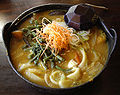 Hōtō
Hōtō

Ad. Transform your health with W8MD Weight Loss, Sleep & MedSpa

Tired of being overweight?
Special offer:
Budget GLP-1 weight loss medications
- Semaglutide starting from $29.99/week and up with insurance for visit of $59.99 and up per week self pay.
- Tirzepatide starting from $45.00/week and up (dose dependent) or $69.99/week and up self pay
✔ Same-week appointments, evenings & weekends
Learn more:
- GLP-1 weight loss clinic NYC
- W8MD's NYC medical weight loss
- W8MD Philadelphia GLP-1 shots
- Philadelphia GLP-1 injections
- Affordable GLP-1 shots NYC
|
WikiMD Medical Encyclopedia |
Medical Disclaimer: WikiMD is for informational purposes only and is not a substitute for professional medical advice. Content may be inaccurate or outdated and should not be used for diagnosis or treatment. Always consult your healthcare provider for medical decisions. Verify information with trusted sources such as CDC.gov and NIH.gov. By using this site, you agree that WikiMD is not liable for any outcomes related to its content. See full disclaimer.
Credits:Most images are courtesy of Wikimedia commons, and templates, categories Wikipedia, licensed under CC BY SA or similar.
Translate this page: - East Asian
中文,
日本,
한국어,
South Asian
हिन्दी,
தமிழ்,
తెలుగు,
Urdu,
ಕನ್ನಡ,
Southeast Asian
Indonesian,
Vietnamese,
Thai,
မြန်မာဘာသာ,
বাংলা
European
español,
Deutsch,
français,
Greek,
português do Brasil,
polski,
română,
русский,
Nederlands,
norsk,
svenska,
suomi,
Italian
Middle Eastern & African
عربى,
Turkish,
Persian,
Hebrew,
Afrikaans,
isiZulu,
Kiswahili,
Other
Bulgarian,
Hungarian,
Czech,
Swedish,
മലയാളം,
मराठी,
ਪੰਜਾਬੀ,
ગુજરાતી,
Portuguese,
Ukrainian
