Candy
Candy, also known as sweets or lollies, is a confection that features sugar as a principal ingredient. The category, called sugar confectionery, encompasses any sweet confection, including chocolate, chewing gum, and sugar candy. Vegetables, fruit, or nuts which have been glazed and coated with sugar are said to be candied.
History
Candy dates back to the ancient Egyptians who combined fruits, nuts, and honey. The word "candy" comes from the Persian word for "cane sugar" (qandi). Sugar was first produced from sugarcane plants in northern India sometime after the first century AD. The technology for sugar extraction spread to the West by the Arab conquests. By the Middle Ages, sugar had become a popular sweetener in the European diet.
Types
Candy is divided into various categories, including chocolate, hard candies, gummies, caramels, and marshmallows, among others.
Chocolate
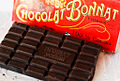
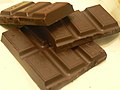
Chocolate is made from the cocoa bean. It comes in dark, milk, and white varieties, and is used in a multitude of candies, including bars and truffles.
Hard Candies
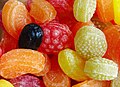
Hard candies, or boiled sweets, are sugary treats that are cooked to a high temperature and then cooled to form a hard, glossy surface. Examples include lollipops and candy canes.
Gummies
Gummies are gelatin-based chewable sweets. They come in a variety of shapes, including bears, worms, and fruit shapes.
Caramels
Caramels are made by cooking sugar and milk or cream together until it thickens. They can be soft and chewy or formed into a harder, more brittle texture.
Marshmallows
Marshmallows are soft, fluffy sweets made from sugar, water, and gelatin that is whipped to a spongy consistency.
Health Concerns
Consumption of large quantities of candy, especially those high in sugar and fats, can lead to health issues such as tooth decay, obesity, and diabetes. It is recommended to enjoy candy in moderation and as part of a balanced diet.
Cultural Significance
Candy plays a significant role in various cultural traditions and holidays around the world, such as Halloween, where children in many countries go trick-or-treating for candy. Candy is also popular during festive seasons like Christmas, Easter, and Valentine's Day.
See Also

-
 Candy
Candy -
 Candy
Candy -
 Candy
Candy -
 Candy
Candy -
 Candy
Candy -
 Candy
Candy -
 Candy
Candy -
 Candy
Candy -
 Candy
Candy -
 Candy
Candy -
 Candy
Candy -
 Candy
Candy
.jpg)


Ad. Transform your life with W8MD's
GLP-1 weight loss injections special from $29.99 with insurance
|
WikiMD Medical Encyclopedia |
Medical Disclaimer: WikiMD is for informational purposes only and is not a substitute for professional medical advice. Content may be inaccurate or outdated and should not be used for diagnosis or treatment. Always consult your healthcare provider for medical decisions. Verify information with trusted sources such as CDC.gov and NIH.gov. By using this site, you agree that WikiMD is not liable for any outcomes related to its content. See full disclaimer.
Credits:Most images are courtesy of Wikimedia commons, and templates, categories Wikipedia, licensed under CC BY SA or similar.
Translate this page: - East Asian
中文,
日本,
한국어,
South Asian
हिन्दी,
தமிழ்,
తెలుగు,
Urdu,
ಕನ್ನಡ,
Southeast Asian
Indonesian,
Vietnamese,
Thai,
မြန်မာဘာသာ,
বাংলা
European
español,
Deutsch,
français,
Greek,
português do Brasil,
polski,
română,
русский,
Nederlands,
norsk,
svenska,
suomi,
Italian
Middle Eastern & African
عربى,
Turkish,
Persian,
Hebrew,
Afrikaans,
isiZulu,
Kiswahili,
Other
Bulgarian,
Hungarian,
Czech,
Swedish,
മലയാളം,
मराठी,
ਪੰਜਾਬੀ,
ગુજરાતી,
Portuguese,
Ukrainian
