Cyamemazine
Cyamemazine is an atypical antipsychotic and antidepressant that is used in Europe for the treatment of anxiety and psychosis. It is a derivative of phenothiazine, a class of drugs that includes other antipsychotics such as chlorpromazine and thioridazine.
Pharmacology
Cyamemazine acts primarily as a serotonin antagonist, blocking the action of serotonin at its receptors in the brain. This action is thought to be responsible for its antidepressant and anxiolytic effects. It also has some dopamine antagonist activity, which may contribute to its antipsychotic effects.
Clinical Use
Cyamemazine is used in the treatment of various psychiatric disorders, including schizophrenia, bipolar disorder, and major depressive disorder. It is also used to treat anxiety disorders, including generalized anxiety disorder and panic disorder. In addition to its psychiatric uses, it is sometimes used in the treatment of nausea and vomiting, particularly when these symptoms are caused by other medications.
Side Effects
Like all antipsychotics, cyamemazine can cause a range of side effects. These can include drowsiness, dizziness, dry mouth, and blurred vision. More serious side effects can include tardive dyskinesia, a movement disorder that can be caused by long-term use of antipsychotics, and neuroleptic malignant syndrome, a rare but potentially life-threatening reaction to antipsychotics.
See Also

-
 Cyamemazine
 -
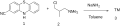 Cyamemazine synthesis


-
Cyamemazine
Ad. Transform your life with W8MD's
GLP-1 weight loss injections special from $29.99 with insurance
|
WikiMD Medical Encyclopedia |
Medical Disclaimer: WikiMD is for informational purposes only and is not a substitute for professional medical advice. Content may be inaccurate or outdated and should not be used for diagnosis or treatment. Always consult your healthcare provider for medical decisions. Verify information with trusted sources such as CDC.gov and NIH.gov. By using this site, you agree that WikiMD is not liable for any outcomes related to its content. See full disclaimer.
Credits:Most images are courtesy of Wikimedia commons, and templates, categories Wikipedia, licensed under CC BY SA or similar.
Translate this page: - East Asian
中文,
日本,
한국어,
South Asian
हिन्दी,
தமிழ்,
తెలుగు,
Urdu,
ಕನ್ನಡ,
Southeast Asian
Indonesian,
Vietnamese,
Thai,
မြန်မာဘာသာ,
বাংলা
European
español,
Deutsch,
français,
Greek,
português do Brasil,
polski,
română,
русский,
Nederlands,
norsk,
svenska,
suomi,
Italian
Middle Eastern & African
عربى,
Turkish,
Persian,
Hebrew,
Afrikaans,
isiZulu,
Kiswahili,
Other
Bulgarian,
Hungarian,
Czech,
Swedish,
മലയാളം,
मराठी,
ਪੰਜਾਬੀ,
ગુજરાતી,
Portuguese,
Ukrainian
