Bromazepam
Bromazepam is a benzodiazepine derivative drug, patented by Roche in 1963 and developed clinically in the 1970s. It possesses anxiolytic, sedative, hypnotic, anticonvulsant, muscle relaxant and amnesic properties. Bromazepam is most commonly used as a short-term treatment for anxiety disorders and panic attacks.
Pharmacology
Bromazepam binds to the GABA_A receptor, causing a conformational change and increasing inhibitory effects of GABA. Further, bromazepam may inhibit voltage dependent sodium channels to a lesser extent. The half-life of bromazepam is 12-20 hours.
Medical uses
Bromazepam is indicated for the short-term treatment of insomnia, short-term treatment of anxiety or panic attacks, if a benzodiazepine is required, and the alleviation of the symptoms of alcohol- and drug-withdrawal.
Side effects
Common side effects of bromazepam are similar to those of other benzodiazepines and can include drowsiness, fatigue, light-headedness, and dry mouth. Less common side effects can include dysphoria, changes in libido, and muscle weakness.
Interactions
Bromazepam can interact with a number of medications, including other CNS depressants, certain antidepressants, and certain antibiotics. It is important to consult with a healthcare provider before starting or stopping any medications.
See also

Bromazepam
-
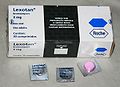 Lexotan
 -
 Lexotanil 6 mg
 -
 Bromazepam synthesis


-
 Bromazepam chemical structure
 -
 3D model of Bromazepam
 -
Lexotan packaging
-
Lexotanil 6 mg tablets
-
Bromazepam synthesis


Ad. Transform your life with W8MD's
GLP-1 weight loss injections special from $29.99 with insurance
|
WikiMD Medical Encyclopedia |
Medical Disclaimer: WikiMD is for informational purposes only and is not a substitute for professional medical advice. Content may be inaccurate or outdated and should not be used for diagnosis or treatment. Always consult your healthcare provider for medical decisions. Verify information with trusted sources such as CDC.gov and NIH.gov. By using this site, you agree that WikiMD is not liable for any outcomes related to its content. See full disclaimer.
Credits:Most images are courtesy of Wikimedia commons, and templates, categories Wikipedia, licensed under CC BY SA or similar.
Translate this page: - East Asian
中文,
日本,
한국어,
South Asian
हिन्दी,
தமிழ்,
తెలుగు,
Urdu,
ಕನ್ನಡ,
Southeast Asian
Indonesian,
Vietnamese,
Thai,
မြန်မာဘာသာ,
বাংলা
European
español,
Deutsch,
français,
Greek,
português do Brasil,
polski,
română,
русский,
Nederlands,
norsk,
svenska,
suomi,
Italian
Middle Eastern & African
عربى,
Turkish,
Persian,
Hebrew,
Afrikaans,
isiZulu,
Kiswahili,
Other
Bulgarian,
Hungarian,
Czech,
Swedish,
മലയാളം,
मराठी,
ਪੰਜਾਬੀ,
ગુજરાતી,
Portuguese,
Ukrainian
