Caffeic acid
An organic compound that is a hydroxycinnamic acid

Caffeic acid is an organic compound that is classified as a hydroxycinnamic acid. It is a naturally occurring phenolic compound found in a variety of plants and is known for its antioxidant properties. Caffeic acid is a key intermediate in the biosynthesis of lignin, a major component of plant cell walls.
Structure and Properties
Caffeic acid is a phenolic acid with the chemical formula C_H_O_. It consists of a benzene ring with two hydroxyl groups and a carboxylic acid group. The presence of these functional groups contributes to its antioxidant activity, allowing it to scavenge free radicals and reduce oxidative stress.
Occurrence
Caffeic acid is widely distributed in the plant kingdom. It is found in coffee, fruits, vegetables, and herbs. It is particularly abundant in coffee beans, where it contributes to the flavor and aroma of coffee. Other sources include apples, pears, berries, and olive oil.
Biological Role
In plants, caffeic acid plays a crucial role in the phenylpropanoid pathway, which is involved in the synthesis of lignin and other important compounds. It acts as a precursor to various polyphenols and is involved in plant defense mechanisms against pathogens and UV radiation.
Health Benefits
Caffeic acid is known for its potential health benefits due to its antioxidant properties. It may help reduce inflammation, protect against cancer, and support cardiovascular health. Studies suggest that it can inhibit the formation of carcinogenic compounds and protect cells from oxidative damage.
Applications
Caffeic acid is used in the food industry as a natural antioxidant to preserve the freshness and quality of food products. It is also used in cosmetics for its anti-aging and skin-protective properties. In pharmaceuticals, caffeic acid derivatives are being explored for their therapeutic potential.
Related Compounds
Caffeic acid is related to other hydroxycinnamic acids such as ferulic acid, p-coumaric acid, and sinapic acid. These compounds share similar structures and biological activities.
See Also
Related Pages
-
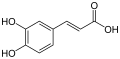 Caffeic acid chemical structure
 -
 Caffeic acid 3D model
 -
 Caffeic acid 3D representation
 -
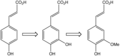 Caffeic acid


Ad. Transform your life with W8MD's
GLP-1 weight loss injections special from $29.99 with insurance
|
WikiMD Medical Encyclopedia |
Medical Disclaimer: WikiMD is for informational purposes only and is not a substitute for professional medical advice. Content may be inaccurate or outdated and should not be used for diagnosis or treatment. Always consult your healthcare provider for medical decisions. Verify information with trusted sources such as CDC.gov and NIH.gov. By using this site, you agree that WikiMD is not liable for any outcomes related to its content. See full disclaimer.
Credits:Most images are courtesy of Wikimedia commons, and templates, categories Wikipedia, licensed under CC BY SA or similar.
Translate this page: - East Asian
中文,
日本,
한국어,
South Asian
हिन्दी,
தமிழ்,
తెలుగు,
Urdu,
ಕನ್ನಡ,
Southeast Asian
Indonesian,
Vietnamese,
Thai,
မြန်မာဘာသာ,
বাংলা
European
español,
Deutsch,
français,
Greek,
português do Brasil,
polski,
română,
русский,
Nederlands,
norsk,
svenska,
suomi,
Italian
Middle Eastern & African
عربى,
Turkish,
Persian,
Hebrew,
Afrikaans,
isiZulu,
Kiswahili,
Other
Bulgarian,
Hungarian,
Czech,
Swedish,
മലയാളം,
मराठी,
ਪੰਜਾਬੀ,
ગુજરાતી,
Portuguese,
Ukrainian
