Flavonoid
Flavonoids are a class of polyphenolic compounds found in plants, with a basic structure consisting of two aromatic rings bound together by three carbon atoms that form an oxygenated heterocycle. They are known for their diverse range of biological activities and play a significant role in plant coloration, growth, and defense. Flavonoids are also recognized for their health benefits in humans, including antioxidant, anti-inflammatory, and anti-carcinogenic properties.
Classification
Flavonoids can be classified into several subclasses based on their chemical structure:
- Flavones
- Flavonols
- Flavanones
- Flavan-3-ols (or catechins)
- Anthocyanins
- Isoflavonoids
Each subclass contains numerous compounds with varying degrees of biological activity and health benefits.
Biosynthesis
The biosynthesis of flavonoids in plants involves several enzymatic steps, starting from the amino acid phenylalanine. The process is regulated by a complex network of genes and is influenced by environmental factors such as light, temperature, and pathogen exposure.
Functions in Plants
In plants, flavonoids serve multiple functions:
- They contribute to the pigmentation of flowers, fruits, and leaves, attracting pollinators and seed dispersers.
- Flavonoids act as antioxidants, protecting plants from oxidative stress.
- They play a role in plant defense against pathogens and herbivores.
- Flavonoids are involved in the regulation of plant growth and development.
Health Benefits in Humans
Flavonoids are considered beneficial for human health due to their antioxidant properties, which help neutralize harmful free radicals in the body. Other health benefits include:
- Reducing the risk of chronic diseases such as heart disease, diabetes, and cancer.
- Anti-inflammatory effects that may help reduce the risk of certain chronic conditions.
- Potential to improve brain health and protect against neurodegenerative diseases.
Dietary Sources
Flavonoids are widely distributed in the plant-based diet, with rich sources including:
- Fruits (e.g., berries, apples, and citrus fruits)
- Vegetables (e.g., onions, kale, and broccoli)
- Tea, especially green tea
- Wine and grapes
- Cocoa and dark chocolate
Research and Considerations
While research supports the health benefits of flavonoids, it is important to consume them as part of a balanced diet. Excessive consumption of flavonoid-rich foods or supplements may have adverse effects. Further research is needed to fully understand the mechanisms behind the health benefits of flavonoids and to establish recommended dietary intakes.
See Also

.svg)
This article is a biochemistry stub. You can help WikiMD by expanding it!
-
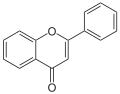 Flavonoid
 -
 Flavonoid
 -
 Flavonoid
 -
 Flavonoid
 -
 Flavonoid
 -
 Flavonoid
 -
 Flavonoid
 -
 Flavonoid
 -
 Flavonoid
 -
 Flavonoid
 -
 Flavonoid
 -
 Flavonoid


Ad. Transform your life with W8MD's
GLP-1 weight loss injections special from $29.99 with insurance
|
WikiMD Medical Encyclopedia |
Medical Disclaimer: WikiMD is for informational purposes only and is not a substitute for professional medical advice. Content may be inaccurate or outdated and should not be used for diagnosis or treatment. Always consult your healthcare provider for medical decisions. Verify information with trusted sources such as CDC.gov and NIH.gov. By using this site, you agree that WikiMD is not liable for any outcomes related to its content. See full disclaimer.
Credits:Most images are courtesy of Wikimedia commons, and templates, categories Wikipedia, licensed under CC BY SA or similar.
Translate this page: - East Asian
中文,
日本,
한국어,
South Asian
हिन्दी,
தமிழ்,
తెలుగు,
Urdu,
ಕನ್ನಡ,
Southeast Asian
Indonesian,
Vietnamese,
Thai,
မြန်မာဘာသာ,
বাংলা
European
español,
Deutsch,
français,
Greek,
português do Brasil,
polski,
română,
русский,
Nederlands,
norsk,
svenska,
suomi,
Italian
Middle Eastern & African
عربى,
Turkish,
Persian,
Hebrew,
Afrikaans,
isiZulu,
Kiswahili,
Other
Bulgarian,
Hungarian,
Czech,
Swedish,
മലയാളം,
मराठी,
ਪੰਜਾਬੀ,
ગુજરાતી,
Portuguese,
Ukrainian
