Pyruvate dehydrogenase deficiency: Difference between revisions
CSV import |
CSV import |
||
| Line 1: | Line 1: | ||
{{SI}} | |||
{{Infobox medical condition | |||
| name = Pyruvate dehydrogenase deficiency | |||
| image = [[File:Microcephaly-comparison-500px.jpg|250px]] | |||
| caption = Comparison of head sizes in microcephaly, a possible symptom of pyruvate dehydrogenase deficiency | |||
| synonyms = PDH deficiency, PDCD | |||
| pronounce = | |||
| specialty = [[Neurology]], [[Genetics]] | |||
| symptoms = [[Lactic acidosis]], [[neurological dysfunction]], [[developmental delay]], [[microcephaly]], [[seizures]] | |||
| onset = [[Infancy]] or [[early childhood]] | |||
| duration = [[Chronic]] | |||
| causes = [[Genetic mutation]] in the [[PDHA1]], [[PDHB]], [[DLAT]], [[DLD]], or [[PDHX]] genes | |||
| risks = | |||
| diagnosis = [[Genetic testing]], [[blood tests]] for [[lactic acid]] levels | |||
| differential = [[Leigh syndrome]], [[mitochondrial disorders]] | |||
| prevention = | |||
| treatment = [[Ketogenic diet]], [[thiamine]] supplementation, [[sodium bicarbonate]] for acidosis | |||
| medication = | |||
| prognosis = Variable, often poor | |||
| frequency = Rare | |||
}} | |||
'''Pyruvate dehydrogenase deficiency''' ('''PDHD''') is a rare [[metabolic disorder]] that affects the [[enzyme]] [[pyruvate dehydrogenase]]. This enzyme is crucial for the process of [[glycolysis]], which is the metabolic pathway that converts glucose into [[pyruvate]]. In individuals with PDHD, the body is unable to effectively convert glucose into energy, leading to a variety of symptoms and complications. | '''Pyruvate dehydrogenase deficiency''' ('''PDHD''') is a rare [[metabolic disorder]] that affects the [[enzyme]] [[pyruvate dehydrogenase]]. This enzyme is crucial for the process of [[glycolysis]], which is the metabolic pathway that converts glucose into [[pyruvate]]. In individuals with PDHD, the body is unable to effectively convert glucose into energy, leading to a variety of symptoms and complications. | ||
== Symptoms == | == Symptoms == | ||
The symptoms of PDHD can vary widely between individuals, but often include [[neurological]] problems such as [[developmental delay]], [[seizures]], and [[ataxia]]. Other symptoms can include [[lactic acidosis]], [[hypotonia]], and [[microcephaly]]. The severity of symptoms can range from mild to severe, and the onset can occur at any age, from infancy to adulthood. | The symptoms of PDHD can vary widely between individuals, but often include [[neurological]] problems such as [[developmental delay]], [[seizures]], and [[ataxia]]. Other symptoms can include [[lactic acidosis]], [[hypotonia]], and [[microcephaly]]. The severity of symptoms can range from mild to severe, and the onset can occur at any age, from infancy to adulthood. | ||
== Causes == | == Causes == | ||
PDHD is caused by mutations in the [[PDHA1]] gene, which provides instructions for making one part of the pyruvate dehydrogenase enzyme. These mutations prevent the enzyme from functioning properly, disrupting the process of glycolysis and leading to a buildup of pyruvate and lactate in the body. | PDHD is caused by mutations in the [[PDHA1]] gene, which provides instructions for making one part of the pyruvate dehydrogenase enzyme. These mutations prevent the enzyme from functioning properly, disrupting the process of glycolysis and leading to a buildup of pyruvate and lactate in the body. | ||
== Diagnosis == | == Diagnosis == | ||
Diagnosis of PDHD is typically made through a combination of [[clinical examination]], [[genetic testing]], and [[biochemical testing]]. These tests can identify the presence of the PDHA1 gene mutation and the resulting enzyme deficiency. | Diagnosis of PDHD is typically made through a combination of [[clinical examination]], [[genetic testing]], and [[biochemical testing]]. These tests can identify the presence of the PDHA1 gene mutation and the resulting enzyme deficiency. | ||
== Treatment == | == Treatment == | ||
There is currently no cure for PDHD, but treatment can help manage symptoms and improve quality of life. Treatment options may include a high-fat, low-carbohydrate diet known as the [[ketogenic diet]], which can help the body use alternative energy sources. Other treatments may include physical therapy, medications to control seizures, and other supportive therapies. | There is currently no cure for PDHD, but treatment can help manage symptoms and improve quality of life. Treatment options may include a high-fat, low-carbohydrate diet known as the [[ketogenic diet]], which can help the body use alternative energy sources. Other treatments may include physical therapy, medications to control seizures, and other supportive therapies. | ||
== Prognosis == | == Prognosis == | ||
The prognosis for individuals with PDHD can vary widely, depending on the severity of symptoms and the individual's response to treatment. Some individuals may have a normal lifespan with appropriate management, while others may experience severe complications and a shortened lifespan. | The prognosis for individuals with PDHD can vary widely, depending on the severity of symptoms and the individual's response to treatment. Some individuals may have a normal lifespan with appropriate management, while others may experience severe complications and a shortened lifespan. | ||
==Gallery== | |||
<gallery> | |||
File:Glycolysis.jpg|Pyruvate dehydrogenase deficiency | |||
File:Citric acid cycle with aconitate 2.svg|Pyruvate dehydrogenase deficiency | |||
File:User-FastFission-brain.gif|Pyruvate dehydrogenase deficiency | |||
</gallery> | |||
== See also == | == See also == | ||
* [[Metabolic disorder]] | * [[Metabolic disorder]] | ||
* [[Glycolysis]] | * [[Glycolysis]] | ||
* [[Enzyme deficiency]] | * [[Enzyme deficiency]] | ||
== References == | == References == | ||
<references /> | <references /> | ||
[[Category:Metabolic disorders]] | [[Category:Metabolic disorders]] | ||
[[Category:Genetic diseases]] | [[Category:Genetic diseases]] | ||
[[Category:Rare diseases]] | [[Category:Rare diseases]] | ||
{{stub}} | {{stub}} | ||
Latest revision as of 05:53, 6 April 2025

Editor-In-Chief: Prab R Tumpati, MD
Obesity, Sleep & Internal medicine
Founder, WikiMD Wellnesspedia &
W8MD medical weight loss NYC and sleep center NYC
| Pyruvate dehydrogenase deficiency | |
|---|---|

| |
| Synonyms | PDH deficiency, PDCD |
| Pronounce | |
| Specialty | Neurology, Genetics |
| Symptoms | Lactic acidosis, neurological dysfunction, developmental delay, microcephaly, seizures |
| Complications | N/A |
| Onset | Infancy or early childhood |
| Duration | Chronic |
| Types | N/A |
| Causes | Genetic mutation in the PDHA1, PDHB, DLAT, DLD, or PDHX genes |
| Risks | |
| Diagnosis | Genetic testing, blood tests for lactic acid levels |
| Differential diagnosis | Leigh syndrome, mitochondrial disorders |
| Prevention | |
| Treatment | Ketogenic diet, thiamine supplementation, sodium bicarbonate for acidosis |
| Medication | |
| Prognosis | Variable, often poor |
| Frequency | Rare |
| Deaths | N/A |
Pyruvate dehydrogenase deficiency (PDHD) is a rare metabolic disorder that affects the enzyme pyruvate dehydrogenase. This enzyme is crucial for the process of glycolysis, which is the metabolic pathway that converts glucose into pyruvate. In individuals with PDHD, the body is unable to effectively convert glucose into energy, leading to a variety of symptoms and complications.
Symptoms[edit]
The symptoms of PDHD can vary widely between individuals, but often include neurological problems such as developmental delay, seizures, and ataxia. Other symptoms can include lactic acidosis, hypotonia, and microcephaly. The severity of symptoms can range from mild to severe, and the onset can occur at any age, from infancy to adulthood.
Causes[edit]
PDHD is caused by mutations in the PDHA1 gene, which provides instructions for making one part of the pyruvate dehydrogenase enzyme. These mutations prevent the enzyme from functioning properly, disrupting the process of glycolysis and leading to a buildup of pyruvate and lactate in the body.
Diagnosis[edit]
Diagnosis of PDHD is typically made through a combination of clinical examination, genetic testing, and biochemical testing. These tests can identify the presence of the PDHA1 gene mutation and the resulting enzyme deficiency.
Treatment[edit]
There is currently no cure for PDHD, but treatment can help manage symptoms and improve quality of life. Treatment options may include a high-fat, low-carbohydrate diet known as the ketogenic diet, which can help the body use alternative energy sources. Other treatments may include physical therapy, medications to control seizures, and other supportive therapies.
Prognosis[edit]
The prognosis for individuals with PDHD can vary widely, depending on the severity of symptoms and the individual's response to treatment. Some individuals may have a normal lifespan with appropriate management, while others may experience severe complications and a shortened lifespan.
Gallery[edit]
-
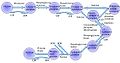 Pyruvate dehydrogenase deficiency
 -
 Pyruvate dehydrogenase deficiency
 -
 Pyruvate dehydrogenase deficiency


See also[edit]
References[edit]
<references />


