Azelastine: Difference between revisions
CSV import |
CSV import |
||
| Line 52: | Line 52: | ||
[[Category:Otorhinolaryngology]] | [[Category:Otorhinolaryngology]] | ||
== Azelastine == | == Azelastine == | ||
<gallery> | |||
File:Azelastine.svg|Azelastine | |||
File:Azelastine-based-on-xtal-3D-bs-17.png|Azelastine 3D Structure | |||
</gallery> | |||
<gallery> | <gallery> | ||
File:Azelastine.svg|Azelastine | File:Azelastine.svg|Azelastine | ||
File:Azelastine-based-on-xtal-3D-bs-17.png|Azelastine 3D Structure | File:Azelastine-based-on-xtal-3D-bs-17.png|Azelastine 3D Structure | ||
</gallery> | </gallery> | ||
Revision as of 00:50, 20 February 2025
Article about the use of Azelastine in medical treatment
| Azelastine | |
|---|---|

| |
| INN | |
| Drug class | |
| Routes of administration | |
| Pregnancy category | |
| Bioavailability | |
| Metabolism | |
| Elimination half-life | |
| Excretion | |
| Legal status | |
| CAS Number | |
| PubChem | |
| DrugBank | |
| ChemSpider | |
| KEGG | |
Azelastine is a pharmaceutical drug used primarily as an antihistamine for the treatment of allergic rhinitis and allergic conjunctivitis. It is available in various forms, including nasal sprays and ophthalmic solutions. Azelastine works by blocking the action of histamine, a substance in the body that causes allergic symptoms.
Mechanism of Action
Azelastine is a selective histamine H1 receptor antagonist. By binding to these receptors, it prevents histamine from exerting its effects, which include vasodilation, increased vascular permeability, and sensory nerve stimulation. This action helps alleviate symptoms such as nasal congestion, sneezing, and itchy or watery eyes.
Indications
Azelastine is indicated for the treatment of:
- Allergic rhinitis: Both seasonal and perennial types.
- Allergic conjunctivitis: To relieve symptoms such as itching and redness of the eyes.
Dosage and Administration
Azelastine is administered as a nasal spray or eye drops. The typical dosage for nasal spray is one or two sprays per nostril twice daily. For ophthalmic use, one drop in each affected eye twice daily is recommended. It is important to follow the specific instructions provided by a healthcare professional.
Side Effects
Common side effects of Azelastine include:
- Bitter taste
- Headache
- Nasal irritation
- Drowsiness
Less common but more serious side effects may include:
- Severe allergic reactions
- Nasal ulcerations
Precautions
Patients should be advised to avoid activities requiring mental alertness, such as driving or operating machinery, until they know how Azelastine affects them. Alcohol and other central nervous system depressants may enhance the sedative effects of Azelastine.
Drug Interactions
Azelastine may interact with other medications that cause drowsiness, such as benzodiazepines, opioids, and certain antidepressants. It is important to inform healthcare providers of all medications being taken to avoid potential interactions.
Also see
References
<references group="" responsive="1"></references>
Azelastine
-
 Azelastine
 -
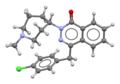 Azelastine 3D Structure

-
Azelastine
-
Azelastine 3D Structure
