Pinolillo: Difference between revisions
CSV import |
CSV import |
||
| Line 28: | Line 28: | ||
File:Pinolillo_2.jpg | File:Pinolillo_2.jpg | ||
File:Pinolillo.jpg | File:Pinolillo.jpg | ||
</gallery> | |||
<gallery> | |||
File:Pinolillo_2.jpg|Pinolillo 2 | |||
File:Pinolillo.jpg|Pinolillo | |||
</gallery> | </gallery> | ||
Revision as of 11:52, 25 February 2025
Pinolillo (also known as Pinole or Pinol) is a traditional Central American beverage that is particularly popular in Nicaragua and Costa Rica. It is made from a mixture of ground corn and cacao, and is often sweetened with sugar and flavored with cinnamon and other spices.
History
The origins of Pinolillo can be traced back to the indigenous peoples of Central America, who have been consuming corn-based beverages for thousands of years. The addition of cacao to the mix is believed to have occurred after the domestication of the cacao tree in the region.
Preparation
To prepare Pinolillo, corn is first toasted and then ground into a fine powder. This powder is then mixed with ground cacao, sugar, and spices. The mixture is then added to water or milk and stirred until it forms a smooth drink. Some variations of the recipe may also include ground rice or other grains.
Cultural Significance
In Nicaragua and Costa Rica, Pinolillo is more than just a beverage. It is a symbol of national identity and cultural heritage. It is often served at social gatherings, festivals, and other special occasions. In rural areas, it is also a common breakfast drink, believed to provide energy and nutrition for the day ahead.
Health Benefits
Pinolillo is rich in nutrients, including protein, fiber, and antioxidants. The cacao in Pinolillo is known for its health benefits, including improving heart health, boosting mood, and providing anti-inflammatory and antioxidant properties. However, it is also high in calories and sugar, so it should be consumed in moderation.
See Also


-
 Pinolillo 2
 -
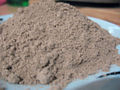 Pinolillo
