Ornithine translocase deficiency: Difference between revisions
CSV import |
CSV import |
||
| Line 29: | Line 29: | ||
{{Metabolic-pathology-stub}} | {{Metabolic-pathology-stub}} | ||
{{Genetics-stub}} | {{Genetics-stub}} | ||
<gallery> | |||
File:L-Ornithine_structure.svg|Structure of L-Ornithine | |||
File:autorecessive.svg|Autosomal Recessive Inheritance Pattern | |||
</gallery> | |||
Revision as of 01:04, 18 February 2025
Ornithine translocase deficiency is a rare metabolic disorder characterized by an inability of the body to transport the amino acid ornithine. This condition is also known as Hyperornithinemia-Hyperammonemia-Homocitrullinuria (HHH) syndrome. It is a type of urea cycle disorder, which affects the body's ability to get rid of ammonia, a toxic byproduct of protein metabolism.
Symptoms
The symptoms of Ornithine translocase deficiency can vary widely, ranging from mild to severe. They may include neurological problems, such as developmental delay, intellectual disability, and seizures; gastrointestinal issues, such as vomiting, diarrhea, and failure to thrive; and other symptoms, such as liver disease and hair loss.
Causes
Ornithine translocase deficiency is caused by mutations in the SLC25A15 gene. This gene provides instructions for making a protein that is found in the mitochondria, the energy-producing centers of cells. The protein, called ornithine translocase, is responsible for transporting ornithine across the mitochondrial membrane.
Diagnosis
Diagnosis of Ornithine translocase deficiency is typically made through genetic testing, which can identify mutations in the SLC25A15 gene. Other tests, such as blood tests and urine tests, may also be used to measure levels of ammonia and other substances in the body.
Treatment
Treatment for Ornithine translocase deficiency typically involves a low-protein diet to reduce the amount of ammonia produced by the body. Medications may also be used to help remove ammonia from the body. In severe cases, liver transplantation may be considered.
Prognosis
The prognosis for individuals with Ornithine translocase deficiency varies depending on the severity of the condition and the effectiveness of treatment. With early diagnosis and appropriate treatment, many individuals with this condition can lead relatively normal lives.
See also
This metabolic pathology-related article is a stub. You can help WikiMD by expanding it.

-
 Structure of L-Ornithine
 -
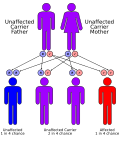 Autosomal Recessive Inheritance Pattern


