Libyan tea: Difference between revisions
CSV import |
CSV import |
||
| Line 33: | Line 33: | ||
{{Libya-stub}} | {{Libya-stub}} | ||
{{food-stub}} | {{food-stub}} | ||
<gallery> | |||
File:Libyan_green_tea.jpg|Libyan green tea | |||
File:Tea_and_peanuts.jpg|Tea and peanuts | |||
</gallery> | |||
Latest revision as of 01:51, 17 February 2025
Libyan Tea is a popular beverage in Libya, a country located in North Africa. It is a significant part of the Libyan culture and is often served during social gatherings and meals.
History[edit]
The tradition of drinking tea in Libya dates back to the Ottoman Empire, when it was introduced to the region. Over time, the practice of tea drinking has evolved and become an integral part of Libyan society.
Preparation[edit]
Libyan Tea is typically prepared using green tea leaves, sugar, and fresh mint leaves. The tea is brewed in a special teapot known as a kettle. The tea is usually served in small glasses, often accompanied by nuts or dates.
Variations[edit]
There are several variations of Libyan Tea, each with its own unique flavor profile. The most common variation is the addition of mint, which gives the tea a refreshing taste. Other variations include the addition of lemon, ginger, or other spices.
Cultural Significance[edit]
In Libyan culture, tea is more than just a beverage. It is a symbol of hospitality and a way to welcome guests. Offering tea to visitors is considered a sign of respect and friendship. In addition, tea drinking is a common social activity in Libya, often taking place in tea houses or at home with family and friends.
Health Benefits[edit]
Like other types of tea, Libyan Tea has several health benefits. It is rich in antioxidants, which can help protect the body against damage from free radicals. The tea also has anti-inflammatory properties and can aid in digestion.
See Also[edit]

-
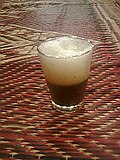 Libyan green tea
 -
 Tea and peanuts


