Kaomianjin: Difference between revisions
CSV import |
CSV import |
||
| Line 26: | Line 26: | ||
{{food-stub}} | {{food-stub}} | ||
<gallery> | |||
File:Kaomianjin.JPG|Kaomianjin | |||
</gallery> | |||
Latest revision as of 11:47, 25 February 2025

Kaomianjin is a traditional Chinese snack, originating from the Guangdong province. It is a type of steamed bread, known for its soft, fluffy texture and slightly sweet taste. Kaomianjin is made from a mixture of rice flour and wheat flour, which contributes to its unique texture and flavor. This snack is often enjoyed during breakfast or as a light meal throughout the day.
History[edit]
The origins of Kaomianjin can be traced back to the Qing Dynasty, where it was a popular snack among the local populace in Guangdong. It was traditionally made in homes and sold by street vendors, becoming a staple in the diet of many people in the region. Over time, Kaomianjin spread to other parts of China, adapting to local tastes and ingredients.
Preparation[edit]
The preparation of Kaomianjin involves mixing rice flour and wheat flour with sugar, yeast, and water to form a dough. The dough is then allowed to ferment for several hours until it rises. After fermentation, the dough is divided into small portions, placed into molds, and steamed until cooked through. The result is a soft, moist bread with a slightly sweet flavor.
Cultural Significance[edit]
Kaomianjin holds a special place in the culinary traditions of Guangdong. It is not only a beloved snack but also a symbol of the region's rich food culture. Kaomianjin is often served during Chinese New Year and other festivals as a symbol of prosperity and good fortune. It is also a popular offering at temples and a favored gift among friends and family.
Variations[edit]
There are several variations of Kaomianjin, which differ in ingredients and flavors. Some versions incorporate lotus seed paste, red bean paste, or custard as fillings, adding a sweet or savory element to the snack. Other variations include the addition of dried fruits, nuts, or seeds for added texture and flavor.
Modern Adaptations[edit]
In recent years, Kaomianjin has seen a resurgence in popularity, with chefs and food enthusiasts experimenting with new ingredients and cooking techniques. Modern adaptations of the snack include the use of matcha, chocolate, and even cheese, catering to contemporary tastes and dietary preferences.
See Also[edit]

-
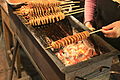 Kaomianjin
