European cuisine

European cuisine, also known as Western cuisine, encompasses the culinary traditions and practices of the continent of Europe. It is characterized by its diversity, influenced by the various cultures, climates, and histories of the region. European cuisine is known for its use of meats, dairy products, and a wide variety of herbs and spices.
Characteristics[edit]
European cuisine is diverse, with each country and region having its own unique dishes and cooking styles. However, there are some common characteristics that can be found across the continent:
- Use of Meats: European dishes often feature meats such as beef, pork, lamb, and poultry.
- Dairy Products: Cheese, butter, and cream are staples in many European recipes.
- Bread and Pastries: Bread is a fundamental part of European meals, with each region having its own types of bread and pastries.
- Herbs and Spices: European cuisine uses a variety of herbs and spices, such as rosemary, thyme, basil, and parsley.
Regional Cuisines[edit]
Central European Cuisine[edit]
Central European cuisine includes the culinary traditions of countries such as Germany, Austria, Poland, and the Czech Republic. It is known for hearty dishes and the use of meats and root vegetables.
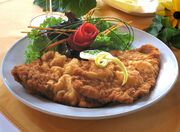
Wiener Schnitzel

* Wiener Schnitzel: A traditional Austrian dish made from breaded and fried veal cutlets.
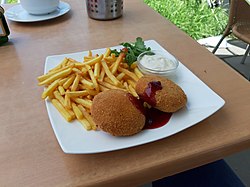
Smažený sýr

* Smažený sýr: A popular Czech dish consisting of fried cheese, often served with tartar sauce.
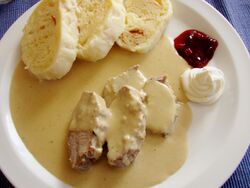
Svíčková na smetaně

* Svíčková na smetaně: A Czech dish of marinated beef served with a creamy vegetable sauce.
Northern European Cuisine[edit]
Northern European cuisine includes the culinary practices of countries such as Scandinavia, the United Kingdom, and Ireland. It is known for its use of fish, potatoes, and dairy products.
Southern European Cuisine[edit]
Southern European cuisine includes the culinary traditions of countries such as Italy, Spain, Greece, and Portugal. It is characterized by the use of olive oil, fresh vegetables, and seafood.
Eastern European Cuisine[edit]
Eastern European cuisine includes the culinary practices of countries such as Russia, Ukraine, and Hungary. It is known for its use of grains, meats, and fermented foods.
Western European Cuisine[edit]
Western European cuisine includes the culinary traditions of countries such as France, Belgium, and the Netherlands. It is known for its sophisticated techniques and rich flavors.
Popular Dishes[edit]

Apple Strudel

* Apple Strudel: A traditional pastry from Austria, made with thin layers of dough and filled with spiced apples.

Bratwurst

* Bratwurst: A type of German sausage made from pork, beef, or veal.

Neujahrsbrezel

* Neujahrsbrezel: A large, sweet pretzel traditionally eaten in Germany on New Year's Day.
Related Pages[edit]

Medical Disclaimer: WikiMD is for informational purposes only and is not a substitute for professional medical advice. Content may be inaccurate or outdated and should not be used for diagnosis or treatment. Always consult your healthcare provider for medical decisions. Verify information with trusted sources such as CDC.gov and NIH.gov. By using this site, you agree that WikiMD is not liable for any outcomes related to its content. See full disclaimer.
Credits:Most images are courtesy of Wikimedia commons, and templates, categories Wikipedia, licensed under CC BY SA or similar.
Translate page: - East Asian
中文,
日本,
한국어,
South Asian
हिन्दी,
தமிழ்,
తెలుగు,
Urdu,
ಕನ್ನಡ,
Southeast Asian
Indonesian,
Vietnamese,
Thai,
မြန်မာဘာသာ,
বাংলা
European
español,
Deutsch,
français,
Greek,
português do Brasil,
polski,
română,
русский,
Nederlands,
norsk,
svenska,
suomi,
Italian
Middle Eastern & African
عربى,
Turkish,
Persian,
Hebrew,
Afrikaans,
isiZulu,
Kiswahili,
Other
Bulgarian,
Hungarian,
Czech,
Swedish,
മലയാളം,
मराठी,
ਪੰਜਾਬੀ,
ગુજરાતી,
Portuguese,
Ukrainian

