Unit 731
-
 Unit 731
 -
 Unit 731
 -
 Unit 731
 -
 Unit 731
 -
 Unit 731
 -
 Unit 731
 -
 Unit 731
 -
 Unit 731
 -
 Unit 731
 -
 Unit 731
 -
 Unit 731
 -
 Unit 731


Unit 731[edit]
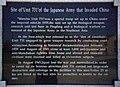
Unit 731 was a covert biological and chemical warfare research and development unit of the Imperial Japanese Army that undertook lethal human experimentation during the Second Sino-Japanese War (1937–1945) and World War II. It was officially known as the Epidemic Prevention and Water Purification Department of the Kwantung Army and was based in Harbin, the largest city in the Japanese puppet state of Manchukuo (now Northeast China).
History[edit]
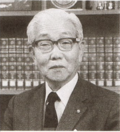
Unit 731 was established in 1935 under the command of General Shiro Ishii, a physician and army officer. The unit was part of a larger program of experimentation and warfare that included other units such as Unit 100 and Unit 516. The facility was built in the Pingfang district of Harbin and covered an area of 6 square kilometers.
Activities[edit]
Unit 731 conducted a wide range of experiments on humans, including:
- Vivisection: Prisoners were subjected to surgery without anesthesia to study the effects of disease and injury on the human body.
- Biological Warfare: The unit developed and tested biological weapons, including the plague, anthrax, and cholera, on prisoners and civilian populations.
- Frostbite Testing: Experiments were conducted to study the effects of frostbite and develop treatments for Japanese soldiers fighting in cold climates.
- Weapons Testing: Prisoners were used to test the effects of grenades, flamethrowers, and other weapons.
Human Experimentation[edit]
The victims of Unit 731 were primarily Chinese civilians and prisoners of war, but also included Koreans, Mongolians, Soviet prisoners, and a small number of Allied prisoners. The exact number of victims is unknown, but estimates range from 3,000 to 250,000.
Post-War[edit]
After Japan's surrender in 1945, the activities of Unit 731 were investigated by the Allied powers. However, many of the scientists involved, including Shiro Ishii, were granted immunity from prosecution in exchange for their research data. This decision was made by the United States in the context of the emerging Cold War.
Legacy[edit]
The legacy of Unit 731 is one of horror and controversy. The unit's activities were largely unknown to the public until the 1980s, when former members began to speak out. The Japanese government has been criticized for its handling of the issue, and the topic remains sensitive in Japan and China.
Related pages[edit]
- Second Sino-Japanese War
- World War II
- Biological warfare
- Chemical warfare
- Shiro Ishii
- Kwantung Army
- Manchukuo
| Japan | ||||||||||
|---|---|---|---|---|---|---|---|---|---|---|
|
Medical Disclaimer: WikiMD is for informational purposes only and is not a substitute for professional medical advice. Content may be inaccurate or outdated and should not be used for diagnosis or treatment. Always consult your healthcare provider for medical decisions. Verify information with trusted sources such as CDC.gov and NIH.gov. By using this site, you agree that WikiMD is not liable for any outcomes related to its content. See full disclaimer.
Credits:Most images are courtesy of Wikimedia commons, and templates, categories Wikipedia, licensed under CC BY SA or similar.
Translate this page: - East Asian
中文,
日本,
한국어,
South Asian
हिन्दी,
தமிழ்,
తెలుగు,
Urdu,
ಕನ್ನಡ,
Southeast Asian
Indonesian,
Vietnamese,
Thai,
မြန်မာဘာသာ,
বাংলা
European
español,
Deutsch,
français,
Greek,
português do Brasil,
polski,
română,
русский,
Nederlands,
norsk,
svenska,
suomi,
Italian
Middle Eastern & African
عربى,
Turkish,
Persian,
Hebrew,
Afrikaans,
isiZulu,
Kiswahili,
Other
Bulgarian,
Hungarian,
Czech,
Swedish,
മലയാളം,
मराठी,
ਪੰਜਾਬੀ,
ગુજરાતી,
Portuguese,
Ukrainian
