Thiophosphate
Thiophosphate compounds are a class of phosphorus-containing chemical compounds where one or more of the oxygen atoms bonded to phosphorus are replaced by sulfur atoms. These compounds are considered derivatives of the phosphate ion (PO43-) and can exist in several forms, including mono-, di-, and tri-thiophosphates, depending on the number of sulfur atoms replacing oxygen atoms. Thiophosphates have diverse applications in agriculture, medicine, and industry, serving as pesticides, flame retardants, and antioxidants, among other uses.
Chemistry and Synthesis[edit]
Thiophosphate compounds are synthesized through the process of thionation, which involves the substitution of oxygen atoms in phosphate compounds with sulfur. This can be achieved using various reagents such as phosphorus pentasulfide (P2S5) or thiophosphoryl chloride (PSCl3). The general reaction can be represented as follows:
PO43- + S → PSO32- + O
The chemistry of thiophosphates is characterized by their reactivity and the ability to form various derivatives, including salts and esters. The presence of sulfur atoms in these compounds often imparts unique physical and chemical properties compared to their oxygen-only counterparts.
Applications[edit]
Agriculture[edit]
In agriculture, thiophosphate compounds are widely used as insecticides and fungicides due to their ability to inhibit certain enzymes critical to pests. Examples include malathion and parathion, which are organophosphorus insecticides derived from thiophosphate.
Medicine[edit]
In the medical field, certain thiophosphate derivatives serve as drugs and biomolecules. For instance, thiophosphate analogs of nucleotides are used in research and therapeutic applications, including the treatment of viral infections and cancer.
Industry[edit]
Industrially, thiophosphates find applications as additives in lubricants and hydraulic fluids to improve anti-wear and antioxidant properties. They are also used in the manufacture of plastics and rubbers as flame retardants.
Safety and Environmental Concerns[edit]
The use of thiophosphate compounds, especially in agriculture and pest control, raises concerns regarding their toxicity to humans and wildlife. Many organophosphorus pesticides are potent neurotoxins, and their persistence in the environment can lead to contamination of water sources and food chains. Regulatory measures and safety guidelines are in place to manage the risks associated with these chemicals.
See Also[edit]
References[edit]
<references/>

Thiophosphate[edit]
-
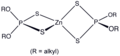 Zinc diethyldithiophosphate
 -
 Phosphorothioate structure
 -
 Amifostine chemical structure
 -
 Chlorpyrifos chemical structure
 -
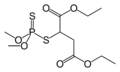 Malathion chemical structure
 -
 Thiophosphate variety pack
 -
 Thiophosphate ion 3D model
 -
 PS3 dimerization
2.png)


Ad. Transform your health with W8MD Weight Loss, Sleep & MedSpa

Tired of being overweight?
Special offer:
Budget GLP-1 weight loss medications
- Semaglutide starting from $29.99/week and up with insurance for visit of $59.99 and up per week self pay.
- Tirzepatide starting from $45.00/week and up (dose dependent) or $69.99/week and up self pay
✔ Same-week appointments, evenings & weekends
Learn more:
- GLP-1 weight loss clinic NYC
- W8MD's NYC medical weight loss
- W8MD Philadelphia GLP-1 shots
- Philadelphia GLP-1 injections
- Affordable GLP-1 shots NYC
|
WikiMD Medical Encyclopedia |
Medical Disclaimer: WikiMD is for informational purposes only and is not a substitute for professional medical advice. Content may be inaccurate or outdated and should not be used for diagnosis or treatment. Always consult your healthcare provider for medical decisions. Verify information with trusted sources such as CDC.gov and NIH.gov. By using this site, you agree that WikiMD is not liable for any outcomes related to its content. See full disclaimer.
Credits:Most images are courtesy of Wikimedia commons, and templates, categories Wikipedia, licensed under CC BY SA or similar.
Translate this page: - East Asian
中文,
日本,
한국어,
South Asian
हिन्दी,
தமிழ்,
తెలుగు,
Urdu,
ಕನ್ನಡ,
Southeast Asian
Indonesian,
Vietnamese,
Thai,
မြန်မာဘာသာ,
বাংলা
European
español,
Deutsch,
français,
Greek,
português do Brasil,
polski,
română,
русский,
Nederlands,
norsk,
svenska,
suomi,
Italian
Middle Eastern & African
عربى,
Turkish,
Persian,
Hebrew,
Afrikaans,
isiZulu,
Kiswahili,
Other
Bulgarian,
Hungarian,
Czech,
Swedish,
മലയാളം,
मराठी,
ਪੰਜਾਬੀ,
ગુજરાતી,
Portuguese,
Ukrainian
