Nian gao
Nian gao (Chinese: 年糕; pinyin: nián gāo), also known as sticky rice cake, is a traditional Chinese food used to celebrate Chinese New Year. The name is a homophone for "higher year," symbolizing a wish for higher position and prosperity in the coming year.
Etymology[edit]
The term "nian gao" is derived from the Chinese words "nian" (年), meaning "year", and "gao" (糕), meaning "cake". The word "gao" is a homophone for "high" in Chinese, hence the cake symbolizes a higher position or prosperity in the coming year.
Cultural Significance[edit]
Nian gao is traditionally eaten during the Chinese New Year period. It is considered good luck to eat nian gao during this time, as it is believed to bring good fortune and prosperity for the coming year. The sticky texture of the cake is also symbolic of family cohesiveness.
Preparation and Varieties[edit]
Nian gao is made from glutinous rice, which is ground into a paste, sweetened, and then steamed or fried. There are many regional variations of nian gao. In northern China, it is often served as a dessert, sweetened with sugar and red bean paste. In southern China, it is typically served as a main dish, flavored with savory ingredients like meat and vegetables.
In Indonesian cuisine, nian gao is known as kue keranjang or kue cina. It is a popular dessert during the Chinese New Year in Indonesia. The Indonesian version is typically fried and coated in grated coconut.
See Also[edit]

This WikiMD article can only be edited by registered and verified editors. You can log in or register.
-
A homemade nian gao from an old woman in Yuen Long
-
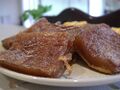 Guangdong Nian cake
 -
Shanghai Nian cake

Advertise on WikiMD — 81,000+ full articles, ~900,000 total pages, ~250 million page views. Global reach, limited time promotional rates from $1/page/day. Learn more · View stats


Translate page: - East Asian
中文,
日本,
한국어,
South Asian
हिन्दी,
தமிழ்,
తెలుగు,
Urdu,
ಕನ್ನಡ,
Southeast Asian
Indonesian,
Vietnamese,
Thai,
မြန်မာဘာသာ,
বাংলা
European
español,
Deutsch,
français,
Greek,
português do Brasil,
polski,
română,
русский,
Nederlands,
norsk,
svenska,
suomi,
Italian
Middle Eastern & African
عربى,
Turkish,
Persian,
Hebrew,
Afrikaans,
isiZulu,
Kiswahili,
Other
Bulgarian,
Hungarian,
Czech,
Swedish,
മലയാളം,
मराठी,
ਪੰਜਾਬੀ,
ગુજરાતી,
Portuguese,
Ukrainian
About WikiMD • Contact • Disclaimer • Privacy • Copyright • Site statistics
Some content and images may originate from Wikimedia Commons or Wikipedia and remain subject to their stated licenses. Unless otherwise noted, eligible WikiMD content is available under CC BY-SA 4.0.
WikiMD Wellnesspedia — Free health & wellness information for patients, students, and health professionals.


