Moros y Cristianos (dish)
Moros y Cristianos is a traditional dish of the Cuban cuisine. The name translates to "Moors and Christians," symbolizing the historical conflicts between the Moors (Muslims) and the Christians in Spain, with the black beans representing the Moors and the white rice representing the Christians.
History[edit]
The dish's name, Moros y Cristianos, is a reference to the Reconquista period in Spain, which lasted from the 8th to the 15th century. During this time, Christian forces were attempting to reclaim their territories from the Moors, who were Muslim invaders from North Africa. The dish is thought to have been brought to Cuba by Spanish settlers.
Ingredients and Preparation[edit]
Moros y Cristianos is made from black beans and white rice. The beans are usually soaked overnight, then simmered until tender. The rice is cooked separately. Once both components are ready, they are combined and cooked together until the flavors meld. Some variations of the dish may include additional ingredients such as onion, garlic, bell pepper, and cumin for added flavor.
Cultural Significance[edit]
Moros y Cristianos is a staple dish in Cuba and is often served at celebrations and family gatherings. It is also popular in other parts of the Caribbean and in Spanish-speaking communities in the United States. The dish is a symbol of the cultural fusion that characterizes Cuban cuisine, combining elements from Spanish and African culinary traditions.
See Also[edit]
This Cuban cuisine related article is a stub.

-
 Moros y Cristianos (dish)
 -
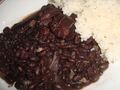 Moros y Cristianos, Cuban cuisine
 -
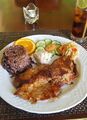 Moros y Cristianos in Cuba


Medical Disclaimer: WikiMD is for informational purposes only and is not a substitute for professional medical advice. Content may be inaccurate or outdated and should not be used for diagnosis or treatment. Always consult your healthcare provider for medical decisions. Verify information with trusted sources such as CDC.gov and NIH.gov. By using this site, you agree that WikiMD is not liable for any outcomes related to its content. See full disclaimer.
Credits:Most images are courtesy of Wikimedia commons, and templates, categories Wikipedia, licensed under CC BY SA or similar.
Translate page: - East Asian
中文,
日本,
한국어,
South Asian
हिन्दी,
தமிழ்,
తెలుగు,
Urdu,
ಕನ್ನಡ,
Southeast Asian
Indonesian,
Vietnamese,
Thai,
မြန်မာဘာသာ,
বাংলা
European
español,
Deutsch,
français,
Greek,
português do Brasil,
polski,
română,
русский,
Nederlands,
norsk,
svenska,
suomi,
Italian
Middle Eastern & African
عربى,
Turkish,
Persian,
Hebrew,
Afrikaans,
isiZulu,
Kiswahili,
Other
Bulgarian,
Hungarian,
Czech,
Swedish,
മലയാളം,
मराठी,
ਪੰਜਾਬੀ,
ગુજરાતી,
Portuguese,
Ukrainian

