Molecular evolution
Molecular evolution is a process of change in the sequence composition of cellular molecules such as DNA, RNA, and proteins across generations. The field of molecular evolution uses principles of evolutionary biology and population genetics to explain patterns in these changes. Major topics in molecular evolution concern the rates and impacts of single nucleotide changes, neutral evolution vs. natural selection, origins of new genes, the genetic nature of complex traits, the genetic basis of speciation, evolution of development, and ways that evolutionary forces influence genomic and phenotypic changes.
History[edit]
The study of molecular evolution first became possible in the 1960s, following the rise of molecular biology. The advent of protein sequencing allowed molecular biologists to create phylogenies based on sequence comparison, and to make inferences about the genes and proteins involved in evolution.
Principles[edit]
Genetic Variation[edit]
Genetic variation is the basis for molecular evolution. Each genetic variation is a different version of the same basic blueprint. It is the combined effect of these genetic variations that leads to the evolution of species over time.
Mutation[edit]
Mutation is a change in the DNA sequence of a cell's genome and is the ultimate source of genetic variation. Mutations can be caused by errors in DNA replication, or by exposure to radiation or chemicals.
Natural Selection[edit]
Natural selection is the process by which certain genetic traits become more or less common in a population due to the effects of inherited traits on the differential reproductive success of organisms interacting with their environment.
Molecular Clock[edit]
The molecular clock is a technique in molecular evolution that uses fossil constraints and rates of molecular change to deduce the time in geologic history when two species or other taxa diverged.
See Also[edit]
References[edit]

This WikiMD article can only be edited by registered and verified editors. You can log in or register.
-
 Site pattern frequencies models
 -
 Five Stages of Molecular Phylogenetic Analysis
 -
 Ortholog, Paralog, and Analog Examples
 -
 Hedgehog with Albinism
 -
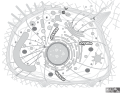 Animal cells


Medical Disclaimer: WikiMD is for informational purposes only and is not a substitute for professional medical advice. Content may be inaccurate or outdated and should not be used for diagnosis or treatment. Always consult your healthcare provider for medical decisions. Verify information with trusted sources such as CDC.gov and NIH.gov. By using this site, you agree that WikiMD is not liable for any outcomes related to its content. See full disclaimer.
Credits:Most images are courtesy of Wikimedia commons, and templates, categories Wikipedia, licensed under CC BY SA or similar.
Translate page: - East Asian
中文,
日本,
한국어,
South Asian
हिन्दी,
தமிழ்,
తెలుగు,
Urdu,
ಕನ್ನಡ,
Southeast Asian
Indonesian,
Vietnamese,
Thai,
မြန်မာဘာသာ,
বাংলা
European
español,
Deutsch,
français,
Greek,
português do Brasil,
polski,
română,
русский,
Nederlands,
norsk,
svenska,
suomi,
Italian
Middle Eastern & African
عربى,
Turkish,
Persian,
Hebrew,
Afrikaans,
isiZulu,
Kiswahili,
Other
Bulgarian,
Hungarian,
Czech,
Swedish,
മലയാളം,
मराठी,
ਪੰਜਾਬੀ,
ગુજરાતી,
Portuguese,
Ukrainian

