Milk tea
Milk tea is a popular beverage made from a combination of tea leaves and milk. It is consumed in various forms and flavors across the world, with each region having its own unique preparation method and taste.
History[edit]
The history of milk tea dates back to the 19th century in the British Empire. The British were known for their tea-drinking habits, and they introduced the concept of adding milk to tea. This practice was later adopted by many other cultures, leading to the creation of various versions of milk tea.
Preparation[edit]
The preparation of milk tea involves brewing tea leaves and adding milk to it. The proportion of tea to milk varies depending on personal preference and regional variations. Some versions also include sugar or other sweeteners, and spices like cardamom, cinnamon, or ginger.
Variations[edit]
There are numerous variations of milk tea, each with its unique flavor and preparation method. Some of the most popular ones include:
- Chai: A spiced milk tea from India, made with a blend of spices like cardamom, cinnamon, ginger, and cloves.
- Bubble tea: A Taiwanese version of milk tea that includes tapioca pearls.
- Masala chai: An Indian version of milk tea that includes a mixture of aromatic spices and herbs.
- Hong Kong-style milk tea: A type of milk tea popular in Hong Kong, made from black tea and evaporated or condensed milk.
Health Benefits and Risks[edit]
Milk tea can have both health benefits and risks. The health benefits come from the antioxidants in tea, which can help reduce the risk of heart disease and certain types of cancer. However, the addition of milk and sugar can increase the calorie content of the beverage, potentially leading to weight gain and other health issues if consumed in excess.
See Also[edit]
References[edit]

-
 Chai (Tea)
 -
 Tea Horse Road
 -
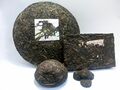 Milk tea
 -
 Hong Kong-style Milk Tea
 -
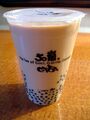 50 Lan Bubble Tea
 -
 Cups full of milk tea, in West Bengal, India
 -
 A cup of milk tea
_2.jpg)


Medical Disclaimer: WikiMD is for informational purposes only and is not a substitute for professional medical advice. Content may be inaccurate or outdated and should not be used for diagnosis or treatment. Always consult your healthcare provider for medical decisions. Verify information with trusted sources such as CDC.gov and NIH.gov. By using this site, you agree that WikiMD is not liable for any outcomes related to its content. See full disclaimer.
Credits:Most images are courtesy of Wikimedia commons, and templates, categories Wikipedia, licensed under CC BY SA or similar.
Translate page: - East Asian
中文,
日本,
한국어,
South Asian
हिन्दी,
தமிழ்,
తెలుగు,
Urdu,
ಕನ್ನಡ,
Southeast Asian
Indonesian,
Vietnamese,
Thai,
မြန်မာဘာသာ,
বাংলা
European
español,
Deutsch,
français,
Greek,
português do Brasil,
polski,
română,
русский,
Nederlands,
norsk,
svenska,
suomi,
Italian
Middle Eastern & African
عربى,
Turkish,
Persian,
Hebrew,
Afrikaans,
isiZulu,
Kiswahili,
Other
Bulgarian,
Hungarian,
Czech,
Swedish,
മലയാളം,
मराठी,
ਪੰਜਾਬੀ,
ગુજરાતી,
Portuguese,
Ukrainian

