Lithium
Information about Lithium[edit]
Lithium is a simple alkali metal, the salt of which acts as a mood stabilizing agent which has been extensively used for the treatment of mania for more than 50 years.
Liver safety of Lithium[edit]
Lithium has been associated with rare instances of mild serum aminotransferase elevations, but has not been convincingly linked to clinically apparent acute liver injury.
Mechanism of action of Lithium[edit]
Lithium (lith' ee um) is the lightest elemental metal and is normally found in low concentrations in human tissue. Lithium salts are highly water soluble and have been used medically for many years. While lithium has no psychotropic effects in normal individuals, it has potent mood stabilizing properties in patients with bipolar disorders, mania and recurrent depression. The mechanism of action of lithium is unknown, but is thought to be mediated by its replacement of sodium ions and disruption of membrane potentials in the central nervous system. It may also act by differential effects on neurotransmitter induced depolarization of membranes or interference with phosphatidylinositol pathways.
FDA approval information for Lithium[edit]
Lithium was approved for use in bipolar illness in the United States in 1970 and it is still widely used for this indication. Lithium has also been used in therapy of schizophrenia, alcohol dependence, attention deficit disorder and migraine headaches.
Dosage and administration for Lithium[edit]
Lithium is available as capsules or tablets of 150, 300, 450 and 600 mg in generic forms as well in several brand names including Carbolith, Duralith and Eskalith. A typical maintenance dose regimen is 600 to 900 mg daily. Lithium levels are generally monitored because of the narrow therapeutic window between toxicity and effectiveness aiming for levels between 0.6 and 1.2 mEq/L in chronic situations (higher in acute).
Side effects of Lithium[edit]
Common side effects include metallic taste, nausea, tremor, polyuria, polydipsia and weight gain. Uncommon side effects include hypothyroidism.
Antipsychotic agents[edit]
First Generation
- Other
Second Generation (Atypicals)
- Aripiprazole, Asenapine, Brexpiprazole, Cariprazine, Clozapine, Iloperidone, Lurasidone, Olanzapine, Paliperidone, Pimavanserin, Quetiapine, Risperidone, Ziprasidone
-
 Solar System Abundances
 -
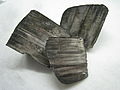 Limetal
 -
 Lithium element
 -
 Binding energy curve - common isotopes
 -
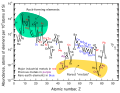 Elemental abundances
 -
 Nova Centauri 2013 ESO
 -
 Arfwedson Johan A
 -
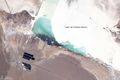 Lithium mine, Salar del Hombre Muerto, Argentina
 -
 Uyuni landsat
 -
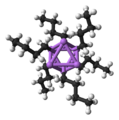 Butyllithium hexamer from xtal 3D balls A
 -
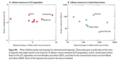 USGS PP 1802k K13
 -
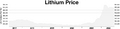 Lithium prices


Medical Disclaimer: WikiMD is for informational purposes only and is not a substitute for professional medical advice. Content may be inaccurate or outdated and should not be used for diagnosis or treatment. Always consult your healthcare provider for medical decisions. Verify information with trusted sources such as CDC.gov and NIH.gov. By using this site, you agree that WikiMD is not liable for any outcomes related to its content. See full disclaimer.
Credits:Most images are courtesy of Wikimedia commons, and templates, categories Wikipedia, licensed under CC BY SA or similar.
Translate page: - East Asian
中文,
日本,
한국어,
South Asian
हिन्दी,
தமிழ்,
తెలుగు,
Urdu,
ಕನ್ನಡ,
Southeast Asian
Indonesian,
Vietnamese,
Thai,
မြန်မာဘာသာ,
বাংলা
European
español,
Deutsch,
français,
Greek,
português do Brasil,
polski,
română,
русский,
Nederlands,
norsk,
svenska,
suomi,
Italian
Middle Eastern & African
عربى,
Turkish,
Persian,
Hebrew,
Afrikaans,
isiZulu,
Kiswahili,
Other
Bulgarian,
Hungarian,
Czech,
Swedish,
മലയാളം,
मराठी,
ਪੰਜਾਬੀ,
ગુજરાતી,
Portuguese,
Ukrainian

