List of culinary nuts
Culinary nuts are a type of food that are used in cooking or can be eaten raw. They are a significant source of nutrition, providing high levels of protein, dietary fiber, and essential fatty acids. This list includes both botanical nuts and culinary nuts.
Botanical Nuts[edit]
A botanical nut is a hard-shelled fruit that does not split open to release its seed.
- Acorn: The nut of the oak tree, acorns have been used as a food source by many cultures throughout history.
- Chestnut: A sweet, starchy nut used in a variety of culinary applications, from roasting to making flour.
- Hazelnut: Also known as filberts, hazelnuts are used in confectionery to make praline and also used in combination with chocolate to make products like Nutella.
Culinary Nuts[edit]
Culinary nuts are used in cooking and baking. They are not all true botanical nuts.
- Almond: A type of edible seed that is often categorized as a nut, almonds are used in a variety of dishes, including desserts, savory dishes, and as a snack.
- Cashew: A seed that is often categorized as a nut, cashews are used in a variety of dishes, including Indian and Thai cuisine.
- Peanut: Technically a legume, peanuts are often categorized as a nut due to their similar taste and texture. They are used in a variety of dishes, including peanut butter and desserts.
- Pistachio: A member of the cashew family, pistachios are used in a variety of dishes, including desserts and as a snack.
- Walnut: A type of edible seed that is often categorized as a nut, walnuts are used in a variety of dishes, including desserts, savory dishes, and as a snack.
See Also[edit]
This is a non-exhaustive food and drink related list.

List of culinary nuts[edit]
-
Mixed nuts
-
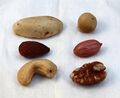 Mixed nuts
 -
 Hazelnuts
 -
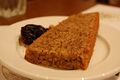 Ardéchois with chestnut cream
 -
Kola nut
-
Smoked almonds
-
Korean pine seeds
-
Macadamia nut


Medical Disclaimer: WikiMD is for informational purposes only and is not a substitute for professional medical advice. Content may be inaccurate or outdated and should not be used for diagnosis or treatment. Always consult your healthcare provider for medical decisions. Verify information with trusted sources such as CDC.gov and NIH.gov. By using this site, you agree that WikiMD is not liable for any outcomes related to its content. See full disclaimer.
Credits:Most images are courtesy of Wikimedia commons, and templates, categories Wikipedia, licensed under CC BY SA or similar.
Translate page: - East Asian
中文,
日本,
한국어,
South Asian
हिन्दी,
தமிழ்,
తెలుగు,
Urdu,
ಕನ್ನಡ,
Southeast Asian
Indonesian,
Vietnamese,
Thai,
မြန်မာဘာသာ,
বাংলা
European
español,
Deutsch,
français,
Greek,
português do Brasil,
polski,
română,
русский,
Nederlands,
norsk,
svenska,
suomi,
Italian
Middle Eastern & African
عربى,
Turkish,
Persian,
Hebrew,
Afrikaans,
isiZulu,
Kiswahili,
Other
Bulgarian,
Hungarian,
Czech,
Swedish,
മലയാളം,
मराठी,
ਪੰਜਾਬੀ,
ગુજરાતી,
Portuguese,
Ukrainian


