Limeade
Limeade is a type of citrus juice made from limes, water, and sugar. It is similar to lemonade, but is made with limes instead of lemons. Limeade is often consumed as a refreshing beverage in hot climates, particularly in Latin America and Southeast Asia.
History[edit]
The exact origins of limeade are unclear, but it is likely that it was first made in areas where limes are native, such as Southeast Asia and the Middle East. Limeade became popular in the United States in the late 19th and early 20th centuries, around the same time as lemonade.
Preparation[edit]
To make limeade, fresh limes are squeezed to extract the juice. The juice is then mixed with water and sugar to taste. Some recipes also include other ingredients, such as mint or ginger, for additional flavor.
Variations[edit]
There are many variations of limeade around the world. In Mexico, for example, limeade is often made with sparkling water and served with a salted rim, similar to a margarita. In Thailand, limeade is often sweetened with honey and served with crushed ice.
Health benefits[edit]
Limeade is a good source of vitamin C and other antioxidants, which can help to boost the immune system and protect against free radicals. However, it is also high in sugar, so it should be consumed in moderation.
See also[edit]

This WikiMD article can only be edited by registered and verified editors. You can log in or register.
-
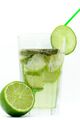 Limeade
 -
 Lime juice with ice in Koh Mak, Thailand
.jpg)


Medical Disclaimer: WikiMD is for informational purposes only and is not a substitute for professional medical advice. Content may be inaccurate or outdated and should not be used for diagnosis or treatment. Always consult your healthcare provider for medical decisions. Verify information with trusted sources such as CDC.gov and NIH.gov. By using this site, you agree that WikiMD is not liable for any outcomes related to its content. See full disclaimer.
Credits:Most images are courtesy of Wikimedia commons, and templates, categories Wikipedia, licensed under CC BY SA or similar.
Translate page: - East Asian
中文,
日本,
한국어,
South Asian
हिन्दी,
தமிழ்,
తెలుగు,
Urdu,
ಕನ್ನಡ,
Southeast Asian
Indonesian,
Vietnamese,
Thai,
မြန်မာဘာသာ,
বাংলা
European
español,
Deutsch,
français,
Greek,
português do Brasil,
polski,
română,
русский,
Nederlands,
norsk,
svenska,
suomi,
Italian
Middle Eastern & African
عربى,
Turkish,
Persian,
Hebrew,
Afrikaans,
isiZulu,
Kiswahili,
Other
Bulgarian,
Hungarian,
Czech,
Swedish,
മലയാളം,
मराठी,
ਪੰਜਾਬੀ,
ગુજરાતી,
Portuguese,
Ukrainian

