Iprazochrome
A drug used in the treatment of migraine and vascular headaches
| Iprazochrome | |
|---|---|
|
|

Iprazochrome is a medication primarily used in the treatment of migraine and other types of vascular headaches. It belongs to the class of drugs known as serotonin receptor antagonists, which work by modulating the effects of serotonin in the brain.
Pharmacology[edit]
Iprazochrome is a derivative of ergot alkaloids, which are compounds derived from the Claviceps purpurea fungus. These compounds have a long history of use in the treatment of headaches due to their ability to constrict blood vessels and alter neurotransmitter activity.
Mechanism of Action[edit]
Iprazochrome acts as a serotonin receptor antagonist, specifically targeting the 5-HT2 receptors. By blocking these receptors, iprazochrome helps to prevent the excessive dilation of blood vessels in the brain, which is a common cause of migraine headaches.
Clinical Use[edit]
Iprazochrome is used in the prophylactic treatment of migraine headaches. It is not effective for the acute treatment of migraine attacks but is used to reduce the frequency and severity of these episodes.
Side Effects[edit]
Common side effects of iprazochrome include nausea, dizziness, and fatigue. In rare cases, it may cause more serious side effects such as allergic reactions or cardiovascular issues.
History[edit]
Iprazochrome was developed in the mid-20th century as part of efforts to find effective treatments for migraine headaches. Its development was based on the understanding of the role of serotonin in migraine pathophysiology.
Related pages[edit]
Iprazochrome[edit]
-
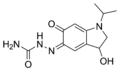 Iprazochrome

Medical Disclaimer: WikiMD is for informational purposes only and is not a substitute for professional medical advice. Content may be inaccurate or outdated and should not be used for diagnosis or treatment. Always consult your healthcare provider for medical decisions. Verify information with trusted sources such as CDC.gov and NIH.gov. By using this site, you agree that WikiMD is not liable for any outcomes related to its content. See full disclaimer.
Credits:Most images are courtesy of Wikimedia commons, and templates, categories Wikipedia, licensed under CC BY SA or similar.
Translate page: - East Asian
中文,
日本,
한국어,
South Asian
हिन्दी,
தமிழ்,
తెలుగు,
Urdu,
ಕನ್ನಡ,
Southeast Asian
Indonesian,
Vietnamese,
Thai,
မြန်မာဘာသာ,
বাংলা
European
español,
Deutsch,
français,
Greek,
português do Brasil,
polski,
română,
русский,
Nederlands,
norsk,
svenska,
suomi,
Italian
Middle Eastern & African
عربى,
Turkish,
Persian,
Hebrew,
Afrikaans,
isiZulu,
Kiswahili,
Other
Bulgarian,
Hungarian,
Czech,
Swedish,
മലയാളം,
मराठी,
ਪੰਜਾਬੀ,
ગુજરાતી,
Portuguese,
Ukrainian

