Intermittent hypoxia
Intermittent Hypoxia is a medical condition characterized by periodic episodes of decreased oxygen levels in the blood. It is often associated with conditions such as Sleep Apnea and Chronic Obstructive Pulmonary Disease (COPD).
Causes[edit]
Intermittent Hypoxia is primarily caused by conditions that disrupt normal breathing patterns. The most common of these is Sleep Apnea, a disorder in which breathing repeatedly stops and starts during sleep. Other causes can include Chronic Obstructive Pulmonary Disease (COPD), Asthma, and certain neurological disorders.
Symptoms[edit]
The symptoms of Intermittent Hypoxia can vary depending on the underlying cause. Common symptoms can include:
Diagnosis[edit]
Diagnosis of Intermittent Hypoxia typically involves a combination of physical examination, patient history, and diagnostic tests. These tests can include:
Treatment[edit]
Treatment for Intermittent Hypoxia focuses on managing the underlying cause. This can include:
See Also[edit]
- Sleep Apnea
- Chronic Obstructive Pulmonary Disease (COPD)
- Asthma
- Polysomnography
- Pulse Oximetry
- Arterial Blood Gas Test
- Continuous Positive Airway Pressure (CPAP)
- Oxygen Therapy

This WikiMD article can only be edited by registered and verified editors. You can log in or register.
-
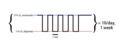 Intermittent hypoxia protocol
 -
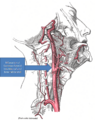 Carotid artery bifurcation
 -
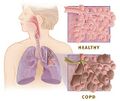 COPD versus healthy lung


Advertise on WikiMD — 81,000+ full articles, ~900,000 total pages, ~250 million page views. Global reach, limited time promotional rates from $1/page/day. Learn more · View stats

Translate page: - East Asian
中文,
日本,
한국어,
South Asian
हिन्दी,
தமிழ்,
తెలుగు,
Urdu,
ಕನ್ನಡ,
Southeast Asian
Indonesian,
Vietnamese,
Thai,
မြန်မာဘာသာ,
বাংলা
European
español,
Deutsch,
français,
Greek,
português do Brasil,
polski,
română,
русский,
Nederlands,
norsk,
svenska,
suomi,
Italian
Middle Eastern & African
عربى,
Turkish,
Persian,
Hebrew,
Afrikaans,
isiZulu,
Kiswahili,
Other
Bulgarian,
Hungarian,
Czech,
Swedish,
മലയാളം,
मराठी,
ਪੰਜਾਬੀ,
ગુજરાતી,
Portuguese,
Ukrainian
About WikiMD • Contact • Disclaimer • Privacy • Copyright • Site statistics
Some content and images may originate from Wikimedia Commons or Wikipedia and remain subject to their stated licenses. Unless otherwise noted, eligible WikiMD content is available under CC BY-SA 4.0.
WikiMD Wellnesspedia — Free health & wellness information for patients, students, and health professionals.

