Injury in humans

Editor-In-Chief: Prab R Tumpati, MD
Obesity, Sleep & Internal medicine
Founder, WikiMD Wellnesspedia &
W8MD's weight loss doctor NYC
Philadelphia GLP-1 weight loss and GLP-1 clinic NYC
| Injury in humans | |
|---|---|
| File:Cat scratches in arm 20210220 000618 618.jpg | |
| Synonyms | Physical trauma, wound |
| Pronounce | N/A |
| Specialty | N/A |
| Symptoms | Pain, swelling, bruising, bleeding |
| Complications | Infection, scarring, chronic pain |
| Onset | Acute |
| Duration | Varies depending on severity |
| Types | N/A |
| Causes | Accident, violence, sports injury, falls |
| Risks | Age, occupation, environmental hazards |
| Diagnosis | Physical examination, imaging (X-ray, CT scan, MRI) |
| Differential diagnosis | Infection, inflammatory conditions |
| Prevention | Safety equipment, risk assessment, training |
| Treatment | First aid, surgery, physical therapy |
| Medication | N/A |
| Prognosis | Depends on severity and treatment |
| Frequency | Common |
| Deaths | N/A |
Injury in humans refers to physical harm or damage to the body caused by external force. This can range from minor abrasions and bruises to more severe forms such as fractures, burns, and traumatic brain injuries. Injuries can occur in various contexts, including accidents, sports, workplace incidents, or violence. Understanding the mechanisms, prevention, and treatment of injuries is crucial in the fields of medicine, public health, and safety engineering.
Types of Injuries[edit]
Injuries in humans can be classified into several types based on their nature and severity. Some of the common types include:
- Soft tissue injuries: These involve damage to muscles, ligaments, and tendons. Examples include sprains, strains, and contusions (bruises).
- Fractures: This category includes breaks or cracks in the bones, which can range from minor hairline fractures to severe compound fractures where the bone pierces the skin.
- Burns: Injuries caused by heat, chemicals, electricity, or radiation. Burns are classified into first, second, and third degrees, depending on their depth and severity.
- Traumatic brain injuries (TBI): These are caused by a blow or jolt to the head that disrupts the normal function of the brain. TBIs can range from mild concussions to severe brain damage.
- Lacerations and puncture wounds: Cuts and wounds caused by sharp objects penetrating the skin.
Causes[edit]
Injuries can be caused by a variety of factors, including:
- Accidents: Unintentional injuries resulting from traffic accidents, falls, and mishaps during recreational activities.
- Violence: Injuries resulting from intentional harm inflicted by others, including assaults, self-harm, and domestic violence.
- Occupational hazards: Injuries occurring in the workplace due to unsafe conditions, machinery, or practices.
- Sports: Injuries sustained during athletic activities, often due to overuse, improper technique, or accidents.
Prevention[edit]
Preventing injuries involves a multifaceted approach that includes education, environmental modifications, and policy interventions. Strategies may include:
- Promoting the use of protective equipment such as helmets, seat belts, and safety gear.
- Implementing safety regulations and standards in workplaces and public spaces.
- Educating the public about safe practices in sports, driving, and daily activities.
- Designing products and environments to minimize the risk of injury.
Treatment[edit]
The treatment of injuries depends on their type, location, and severity. Common treatments include:
- First aid: Immediate care provided to an injury, which can include cleaning wounds, applying pressure to stop bleeding, and immobilizing injured areas.
- Surgery: In cases of severe injuries, surgical intervention may be necessary to repair damaged tissues, realign bones, or remove foreign objects.
- Physical therapy: Rehabilitation aimed at restoring function and strength to injured areas through exercises and treatments.
- Medication: Pain relief and management of symptoms through over-the-counter or prescription drugs.
Summary[edit]
Injuries in humans are a significant concern for individuals and communities, impacting health, well-being, and economic productivity. Efforts to prevent, accurately diagnose, and effectively treat injuries are essential components of public health and medical care.
 | This medical article is a stub. You can help WikiMD by expanding the page. |
Injury in humans[edit]
-
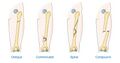 Types of fracture
 -
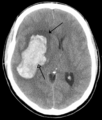 Parachemableed with edema
 -
U.S. Navy Surgeons operating on a Marine


Medical Disclaimer: WikiMD is for informational purposes only and is not a substitute for professional medical advice. Content may be inaccurate or outdated and should not be used for diagnosis or treatment. Always consult your healthcare provider for medical decisions. Verify information with trusted sources such as CDC.gov and NIH.gov. By using this site, you agree that WikiMD is not liable for any outcomes related to its content. See full disclaimer.
Credits:Most images are courtesy of Wikimedia commons, and templates, categories Wikipedia, licensed under CC BY SA or similar.
Translate page: - East Asian
中文,
日本,
한국어,
South Asian
हिन्दी,
தமிழ்,
తెలుగు,
Urdu,
ಕನ್ನಡ,
Southeast Asian
Indonesian,
Vietnamese,
Thai,
မြန်မာဘာသာ,
বাংলা
European
español,
Deutsch,
français,
Greek,
português do Brasil,
polski,
română,
русский,
Nederlands,
norsk,
svenska,
suomi,
Italian
Middle Eastern & African
عربى,
Turkish,
Persian,
Hebrew,
Afrikaans,
isiZulu,
Kiswahili,
Other
Bulgarian,
Hungarian,
Czech,
Swedish,
മലയാളം,
मराठी,
ਪੰਜਾਬੀ,
ગુજરાતી,
Portuguese,
Ukrainian


.jpg)
_at_Camp_Taqaddum,_Iraq,_operate_on_a_Marine.jpg)