HA-966
HA-966 (3-amino-1-hydroxypyrrolid-2-one) is a drug that acts as an antagonist for the NMDA receptor. It is less well known than other NMDA antagonists such as ketamine and phencyclidine, but has been researched for potential medical applications.
Pharmacology[edit]
HA-966 has been found to act as an antagonist at the NMDA receptor, which is a type of ionotropic glutamate receptor. It has been shown to have neuroprotective effects in animal models of brain injury and neurodegenerative diseases. In addition to its NMDA antagonist properties, HA-966 has also been found to act as a GABA agonist, which may contribute to its neuroprotective effects.
Medical Applications[edit]
Research into the potential medical applications of HA-966 has focused on its neuroprotective effects. It has been suggested that the drug could be used to treat conditions such as stroke, traumatic brain injury, and neurodegenerative diseases such as Alzheimer's disease and Parkinson's disease. However, further research is needed to fully understand the potential benefits and risks of HA-966 in these contexts.
Side Effects[edit]
As with other NMDA antagonists, the use of HA-966 can potentially lead to a range of side effects. These can include hallucinations, dizziness, and nausea. In addition, long-term use of the drug can potentially lead to tolerance and dependence. Further research is needed to fully understand the side effect profile of HA-966.
See Also[edit]

This WikiMD article can only be edited by registered and verified editors. You can log in or register.
-
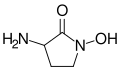 HA-966

Advertise on WikiMD — 81,000+ full articles, ~900,000 total pages, ~250 million page views. Global reach, limited time promotional rates from $1/page/day. Learn more · View stats


Translate page: - East Asian
中文,
日本,
한국어,
South Asian
हिन्दी,
தமிழ்,
తెలుగు,
Urdu,
ಕನ್ನಡ,
Southeast Asian
Indonesian,
Vietnamese,
Thai,
မြန်မာဘာသာ,
বাংলা
European
español,
Deutsch,
français,
Greek,
português do Brasil,
polski,
română,
русский,
Nederlands,
norsk,
svenska,
suomi,
Italian
Middle Eastern & African
عربى,
Turkish,
Persian,
Hebrew,
Afrikaans,
isiZulu,
Kiswahili,
Other
Bulgarian,
Hungarian,
Czech,
Swedish,
മലയാളം,
मराठी,
ਪੰਜਾਬੀ,
ગુજરાતી,
Portuguese,
Ukrainian
About WikiMD • Contact • Disclaimer • Privacy • Copyright • Site statistics
Some content and images may originate from Wikimedia Commons or Wikipedia and remain subject to their stated licenses. Unless otherwise noted, eligible WikiMD content is available under CC BY-SA 4.0.
WikiMD Wellnesspedia — Free health & wellness information for patients, students, and health professionals.

