Enterovirus
Enterovirus is a type of virus that can cause a variety of illnesses, ranging from mild to severe. These viruses are part of the Picornaviridae family and are divided into several types, including Coxsackievirus, Echovirus, and Poliovirus. Enteroviruses are common worldwide and can infect people at any age, but they are most common in children.
Transmission[edit]
Enteroviruses are typically spread from person to person through the fecal-oral route. This means that the virus is shed in the feces of an infected person, and another person can become infected if they ingest the virus, usually by touching contaminated surfaces and then their mouth. The virus can also be spread through respiratory droplets from a cough or sneeze.
Symptoms[edit]
The symptoms of an enterovirus infection can vary greatly depending on the specific type of virus and the individual's overall health. Some people may have no symptoms at all, while others may experience symptoms such as fever, headache, sore throat, muscle aches, and abdominal pain. In severe cases, enterovirus can cause conditions such as myocarditis, meningitis, and paralysis.
Diagnosis[edit]
Diagnosis of an enterovirus infection is typically made based on the patient's symptoms and medical history. Laboratory tests, such as a throat swab or stool sample, can also be used to confirm the diagnosis.
Treatment[edit]
There is no specific treatment for enterovirus infections. Most people with mild symptoms will recover on their own with rest and fluids. In severe cases, hospitalization may be required for supportive care.
Prevention[edit]
Prevention of enterovirus infections involves good hygiene practices, such as frequent hand washing, avoiding close contact with sick individuals, and disinfecting contaminated surfaces.
See Also[edit]

This WikiMD article can only be edited by registered and verified editors. You can log in or register.
Enterovirus[edit]
-
 Enterovirus
 -
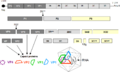 Enterovirus
 -
 Enterovirus
 -
 Enterovirus
 -
 Enterovirus


Medical Disclaimer: WikiMD is for informational purposes only and is not a substitute for professional medical advice. Content may be inaccurate or outdated and should not be used for diagnosis or treatment. Always consult your healthcare provider for medical decisions. Verify information with trusted sources such as CDC.gov and NIH.gov. By using this site, you agree that WikiMD is not liable for any outcomes related to its content. See full disclaimer.
Credits:Most images are courtesy of Wikimedia commons, and templates, categories Wikipedia, licensed under CC BY SA or similar.
Translate page: - East Asian
中文,
日本,
한국어,
South Asian
हिन्दी,
தமிழ்,
తెలుగు,
Urdu,
ಕನ್ನಡ,
Southeast Asian
Indonesian,
Vietnamese,
Thai,
မြန်မာဘာသာ,
বাংলা
European
español,
Deutsch,
français,
Greek,
português do Brasil,
polski,
română,
русский,
Nederlands,
norsk,
svenska,
suomi,
Italian
Middle Eastern & African
عربى,
Turkish,
Persian,
Hebrew,
Afrikaans,
isiZulu,
Kiswahili,
Other
Bulgarian,
Hungarian,
Czech,
Swedish,
മലയാളം,
मराठी,
ਪੰਜਾਬੀ,
ગુજરાતી,
Portuguese,
Ukrainian

