Devon colic
Devon colic was a condition that afflicted the people of Devon, England, in the 17th and 18th centuries. The term "colic" refers to severe abdominal pain and cramping, and the Devon colic was eventually linked to the consumption of cider made from apples containing high levels of lead. The source of this lead was the pressing equipment used in the cider-making process, which often incorporated lead components. Over time, the acidic juice would leach lead from the equipment, contaminating the cider.
Symptoms and Diagnosis[edit]
The primary symptom of Devon colic was intense abdominal pain. Other symptoms included constipation, diarrhea, nausea, and vomiting. The condition could be chronic, with sufferers experiencing repeated episodes over months or years. Diagnosis at the time was based on the presentation of symptoms and the patient's history of cider consumption. It was not until later that the connection to lead poisoning, or Plumbism, was fully understood.
Historical Context[edit]
During the 17th and 18th centuries, cider was a common beverage in Devon and other parts of England, often consumed in place of water, which could be of questionable quality. The widespread occurrence of Devon colic highlights the unintended consequences of using certain materials in food and drink production. It wasn't until the work of Sir George Baker in the 18th century that a definitive link was made between the colic and lead-contaminated cider. Baker's findings were instrumental in reducing the use of lead in cider making and improving public health.
Treatment and Prevention[edit]
Before the cause of Devon colic was understood, treatments varied and often did not address the underlying lead poisoning. Common remedies included the use of opiates to relieve pain, herbal teas for detoxification, and bloodletting. With the identification of lead as the culprit, the focus shifted to preventing lead contamination in cider production. This included replacing lead components in cider presses with those made from safer materials, such as wood or iron.
Impact[edit]
The recognition of the cause of Devon colic and the subsequent changes in cider production practices were significant milestones in the field of public health. This episode is an early example of occupational and environmental health concerns leading to changes in industrial practices. It also underscores the importance of understanding the materials used in food and drink production and their potential impacts on health.
See Also[edit]
 | This medical article is a stub. You can help WikiMD by expanding the page. |
-
 Devon_colic
 -
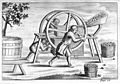 17th century cider press


Medical Disclaimer: WikiMD is for informational purposes only and is not a substitute for professional medical advice. Content may be inaccurate or outdated and should not be used for diagnosis or treatment. Always consult your healthcare provider for medical decisions. Verify information with trusted sources such as CDC.gov and NIH.gov. By using this site, you agree that WikiMD is not liable for any outcomes related to its content. See full disclaimer.
Credits:Most images are courtesy of Wikimedia commons, and templates, categories Wikipedia, licensed under CC BY SA or similar.
Translate page: - East Asian
中文,
日本,
한국어,
South Asian
हिन्दी,
தமிழ்,
తెలుగు,
Urdu,
ಕನ್ನಡ,
Southeast Asian
Indonesian,
Vietnamese,
Thai,
မြန်မာဘာသာ,
বাংলা
European
español,
Deutsch,
français,
Greek,
português do Brasil,
polski,
română,
русский,
Nederlands,
norsk,
svenska,
suomi,
Italian
Middle Eastern & African
عربى,
Turkish,
Persian,
Hebrew,
Afrikaans,
isiZulu,
Kiswahili,
Other
Bulgarian,
Hungarian,
Czech,
Swedish,
മലയാളം,
मराठी,
ਪੰਜਾਬੀ,
ગુજરાતી,
Portuguese,
Ukrainian

