Neurosis

Editor-In-Chief: Prab R Tumpati, MD
Obesity, Sleep & Internal medicine
Founder, WikiMD Wellnesspedia &
W8MD's weight loss doctor NYC
Philadelphia GLP-1 weight loss and GLP-1 clinic NYC
| Neurosis | |
|---|---|

| |
| Synonyms | N/A |
| Pronounce | N/A |
| Specialty | N/A |
| Symptoms | Anxiety, depression, obsessive thoughts, phobias, hysteria |
| Complications | Impaired social functioning, reduced quality of life |
| Onset | Adolescence or early adulthood |
| Duration | Chronic |
| Types | N/A |
| Causes | Genetic predisposition, environmental stressors, psychological trauma |
| Risks | Family history, stress, personality traits |
| Diagnosis | Clinical assessment, psychological evaluation |
| Differential diagnosis | Psychosis, mood disorders, personality disorders |
| Prevention | N/A |
| Treatment | Psychotherapy, medication, lifestyle changes |
| Medication | N/A |
| Prognosis | Variable, often manageable with treatment |
| Frequency | Common |
| Deaths | N/A |
Neurosis is a term that refers to a range of mental disorders characterized by chronic distress but not involving delusions or hallucinations. It is a functional mental disorder that affects a person's ability to function in daily life, often manifesting as anxiety, depression, or obsessive behaviors.
Overview[edit]
Neurosis is a broad category of psychological disorders that are marked by emotional distress and anxiety. Unlike psychosis, individuals with neurosis do not lose touch with reality. Instead, they experience persistent emotional disturbances that can interfere with their quality of life.
Symptoms[edit]
The symptoms of neurosis can vary widely but often include:
Causes[edit]
The exact causes of neurosis are not fully understood, but it is believed to result from a combination of genetic, environmental, and psychological factors. Stressful life events, childhood trauma, and genetic predisposition may all contribute to the development of neurotic disorders.
Diagnosis[edit]
Diagnosis of neurosis typically involves a comprehensive evaluation by a mental health professional. This may include a detailed medical history, psychological assessment, and sometimes physical examinations to rule out other conditions.
Treatment[edit]
Treatment for neurosis often involves a combination of psychotherapy and medication. Common therapeutic approaches include:
Medications such as antidepressants or anxiolytics may also be prescribed to help manage symptoms.
Prognosis[edit]
With appropriate treatment, many individuals with neurosis can lead productive and fulfilling lives. However, the chronic nature of the disorder means that ongoing management may be necessary.
Gallery[edit]
-
 Neurosis
 -
 Neurosis
 -
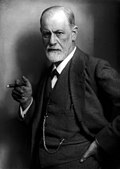 Neurosis
 -
 Neurosis
 -
 Neurosis
 -
 Neurosis
 -
 Neurosis
 -
 Neurosis


See also[edit]
Ad. Transform your health with W8MD Weight Loss, Sleep & MedSpa

Tired of being overweight?
Special offer:
Budget GLP-1 weight loss medications
- Semaglutide starting from $29.99/week and up with insurance for visit of $59.99 and up per week self pay.
- Tirzepatide starting from $45.00/week and up (dose dependent) or $69.99/week and up self pay
✔ Same-week appointments, evenings & weekends
Learn more:
- GLP-1 weight loss clinic NYC
- W8MD's NYC medical weight loss
- W8MD Philadelphia GLP-1 shots
- Philadelphia GLP-1 injections
- Affordable GLP-1 shots NYC
- Budget GLP-1 shots
|
WikiMD Medical Encyclopedia |
Medical Disclaimer: WikiMD is for informational purposes only and is not a substitute for professional medical advice. Content may be inaccurate or outdated and should not be used for diagnosis or treatment. Always consult your healthcare provider for medical decisions. Verify information with trusted sources such as CDC.gov and NIH.gov. By using this site, you agree that WikiMD is not liable for any outcomes related to its content. See full disclaimer.
Credits:Most images are courtesy of Wikimedia commons, and templates, categories Wikipedia, licensed under CC BY SA or similar.
Translate this page: - East Asian
中文,
日本,
한국어,
South Asian
हिन्दी,
தமிழ்,
తెలుగు,
Urdu,
ಕನ್ನಡ,
Southeast Asian
Indonesian,
Vietnamese,
Thai,
မြန်မာဘာသာ,
বাংলা
European
español,
Deutsch,
français,
Greek,
português do Brasil,
polski,
română,
русский,
Nederlands,
norsk,
svenska,
suomi,
Italian
Middle Eastern & African
عربى,
Turkish,
Persian,
Hebrew,
Afrikaans,
isiZulu,
Kiswahili,
Other
Bulgarian,
Hungarian,
Czech,
Swedish,
മലയാളം,
मराठी,
ਪੰਜਾਬੀ,
ગુજરાતી,
Portuguese,
Ukrainian
