Dentin hypersensitivity

Editor-In-Chief: Prab R Tumpati, MD
Obesity, Sleep & Internal medicine
Founder, WikiMD Wellnesspedia &
W8MD's weight loss doctor NYC
Philadelphia GLP-1 weight loss and GLP-1 clinic NYC
| Dentin hypersensitivity | |
|---|---|

| |
| Synonyms | Dentinal sensitivity, root sensitivity |
| Pronounce | N/A |
| Specialty | N/A |
| Symptoms | Sharp pain in response to stimuli such as cold, hot, sweet, or touch |
| Complications | N/A |
| Onset | Can occur at any age, but more common in adults |
| Duration | Can be temporary or chronic |
| Types | N/A |
| Causes | Gingival recession, tooth wear, dental erosion, bruxism |
| Risks | Poor oral hygiene, aggressive tooth brushing, acidic diet |
| Diagnosis | Clinical examination, patient history |
| Differential diagnosis | Dental caries, pulpitis, cracked tooth syndrome |
| Prevention | Proper oral hygiene, use of desensitizing toothpaste, avoiding acidic foods |
| Treatment | Desensitizing agents, fluoride varnishes, dental bonding |
| Medication | N/A |
| Prognosis | N/A |
| Frequency | Affects up to 57% of the adult population |
| Deaths | Not applicable |
Dentin Hypersensitivity (also known as Sensitive Teeth) is a common dental condition characterized by sharp, sudden pain in the teeth when exposed to certain stimuli such as hot, cold, sweet, or acidic substances. It is often caused by the exposure of dentin, the layer of tooth beneath the enamel, due to enamel erosion or gum recession.
Causes[edit]
The primary cause of Dentin Hypersensitivity is the exposure of dentin. Dentin contains microscopic tubules filled with tiny nerve endings. A hard outer layer of enamel protects the dentin within the crown part of the tooth, and the dentin extending down to the root of the tooth is covered by cementum. When the dentin loses its protective covering of enamel or cementum, these tubules allow heat, cold, acidic or even sticky substances to reach the nerves inside the tooth, causing pain. Common factors that contribute to dentin hypersensitivity include:
- Tooth decay
- Gum disease
- Vigorous tooth brushing
- Acidic foods and drinks
- Teeth grinding
- Tooth whitening products
Symptoms[edit]
The main symptom of Dentin Hypersensitivity is a sharp, sudden pain in response to stimuli such as hot, cold, sweet, or acidic substances. This pain can be intermittent or constant depending on the severity of the condition.
Diagnosis[edit]
Diagnosis of Dentin Hypersensitivity is typically made by a dentist during a dental examination. The dentist may use a spray of air or cold water on the teeth to determine the location of the sensitivity. Dental X-rays may also be used to rule out other possible causes of the pain such as a cavity or abscess.
Treatment[edit]
Treatment for Dentin Hypersensitivity focuses on blocking the exposed tubules in the dentin to prevent the stimuli from reaching the nerves. This can be achieved through the use of desensitizing toothpastes, fluoride gels, or dental procedures such as bonding, crowns, or root canals.
Prevention[edit]
Prevention of Dentin Hypersensitivity involves maintaining good oral hygiene to prevent the erosion of enamel and gum recession. This includes regular brushing and flossing, using a soft-bristled toothbrush, avoiding acidic foods and drinks, and regular dental check-ups.
Dentin hypersensitivity gallery[edit]
-
 Diagram illustrating odontoblasts, the cells responsible for dentin formation.
 -
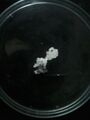 Image of cinnamyl alcohol on a petri dish, used in dental research.


See also[edit]
This dental-related article is a stub. You can help WikiMD by expanding it.
 | This medical article is a stub. You can help WikiMD by expanding the page. |
Sponsored Health Resource

W8MD Weight Loss, Sleep & MedSpa
Looking for physician-supervised weight loss, semaglutide, tirzepatide, or GLP-1 receptor agonist options? W8MD helps eligible patients in New York City, Brooklyn, New Jersey, Connecticut, Pennsylvania, Delaware, and greater Philadelphia with medical weight loss, sleep medicine, and long-term maintenance support.
GLP-1 specials: Affordable GLP-1 injections NYC and Philadelphia starting from $29.99/week and up for semaglutide with insurance accepted for qualifying visits, and $45/week and up for tirzepatide with insurance accepted for qualifying visits. Self-pay options start from $59.99/week and up for semaglutide and $69.99/week and up for tirzepatide.
Medical weight loss NYC | Affordable GLP-1 injections NYC | Budget GLP-1 weight loss shots Philadelphia | New Jersey medical weight loss | NYC medical weight loss | Philadelphia medical weight loss | Sleep clinic NYC | W8MD's Philadelphia GLP-1 doctor | Weight loss prescriptions NYC
Book a W8MD appointment · View GLP-1 specials
Paid promotional message. Eligibility, pricing, insurance coverage, medication availability, and results vary. Medical evaluation required.

Medical Disclaimer: WikiMD is for informational purposes only and is not a substitute for professional medical advice. Content may be inaccurate or outdated and should not be used for diagnosis or treatment. Always consult your healthcare provider for medical decisions. Verify information with trusted sources such as CDC.gov and NIH.gov. By using this site, you agree that WikiMD is not liable for any outcomes related to its content. See full disclaimer.
Credits:Most images are courtesy of Wikimedia commons, and templates, categories Wikipedia, licensed under CC BY SA or similar.
Translate page: - East Asian
中文,
日本,
한국어,
South Asian
हिन्दी,
தமிழ்,
తెలుగు,
Urdu,
ಕನ್ನಡ,
Southeast Asian
Indonesian,
Vietnamese,
Thai,
မြန်မာဘာသာ,
বাংলা
European
español,
Deutsch,
français,
Greek,
português do Brasil,
polski,
română,
русский,
Nederlands,
norsk,
svenska,
suomi,
Italian
Middle Eastern & African
عربى,
Turkish,
Persian,
Hebrew,
Afrikaans,
isiZulu,
Kiswahili,
Other
Bulgarian,
Hungarian,
Czech,
Swedish,
മലയാളം,
मराठी,
ਪੰਜਾਬੀ,
ગુજરાતી,
Portuguese,
Ukrainian

