Estradiol valerate
Estradiol valerate is a synthetic estrogen ester specifically, the 17β-valerate ester of estradiol, a naturally occurring hormone that plays a critical role in the regulation of many aspects of the female reproductive system. Estradiol valerate is used in hormone therapy for menopausal symptoms, as part of feminizing hormone therapy for transgender women, and in hormonal birth control.
Medical Uses[edit]
Estradiol valerate is utilized in various therapeutic contexts. In menopause management, it helps alleviate symptoms such as hot flashes, vaginal dryness, and osteoporosis. For transgender women, it is a component of feminizing hormone therapy, promoting the development of female secondary sexual characteristics. Additionally, it is used in some hormonal contraceptives, combined with a progestogen.
Pharmacology[edit]
Mechanism of Action[edit]
Estradiol valerate functions by being converted into estradiol in the body. Estradiol then binds to and activates estrogen receptors throughout the body, mimicking the effects of naturally produced estrogen. This activation influences gene expression and results in the physiological effects associated with estrogen.
Pharmacokinetics[edit]
After administration, estradiol valerate is rapidly absorbed and converted into estradiol. Its pharmacokinetics are influenced by the route of administration, with oral, injectable, and transdermal forms available. The esterification of estradiol to form estradiol valerate improves the pharmacokinetic profile of estradiol, allowing for more stable blood levels over time.
Adverse Effects[edit]
The use of estradiol valerate can lead to several adverse effects, including an increased risk of thromboembolic events, such as deep vein thrombosis and pulmonary embolism, especially in smokers and older individuals. Other potential side effects include breast tenderness, nausea, headache, and mood changes. Long-term use has been associated with an increased risk of breast cancer and gallbladder disease.
Contraindications[edit]
Estradiol valerate is contraindicated in individuals with a history of estrogen-sensitive cancers, uncontrolled hypertension, liver disease, and those who are pregnant or breastfeeding. Caution is advised in patients with a history of thromboembolic disorders.
Interactions[edit]
Estradiol valerate can interact with various medications, including some anticonvulsants, antifungal agents, and herbal supplements such as St. John's Wort, which may reduce its effectiveness. It is important to consult a healthcare provider about all medications and supplements being taken.
Dosage and Administration[edit]
The dosage of estradiol valerate varies depending on the indication, route of administration, and individual patient factors. It is crucial to follow a healthcare provider's instructions closely and not to adjust the dose without consultation.
Society and Culture[edit]
Estradiol valerate plays a significant role in the treatment of menopausal symptoms and in gender-affirming therapy. Its availability and use have evolved over time, reflecting changes in medical practice and societal attitudes towards hormone therapy.
 | This medical article is a stub. You can help WikiMD by expanding the page. |
Estradiol valerate[edit]
-
 Estradiol valerate
 -
Estradiol valerate
-
Estradiol valerate
-
 Estradiol
 -
Estradiol valerate
-
Estradiol valerate
-
Estradiol valerate
-
Estradiol valerate
-
Estradiol valerate
-
 Estradiol valerate
 -
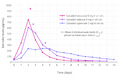 Estradiol valerate
 -
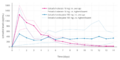 Estradiol valerate


Advertise on WikiMD — 81,000+ full articles, ~900,000 total pages, ~250 million page views. Global reach, limited time promotional rates from $1/page/day. Learn more · View stats

Translate page: - East Asian
中文,
日本,
한국어,
South Asian
हिन्दी,
தமிழ்,
తెలుగు,
Urdu,
ಕನ್ನಡ,
Southeast Asian
Indonesian,
Vietnamese,
Thai,
မြန်မာဘာသာ,
বাংলা
European
español,
Deutsch,
français,
Greek,
português do Brasil,
polski,
română,
русский,
Nederlands,
norsk,
svenska,
suomi,
Italian
Middle Eastern & African
عربى,
Turkish,
Persian,
Hebrew,
Afrikaans,
isiZulu,
Kiswahili,
Other
Bulgarian,
Hungarian,
Czech,
Swedish,
മലയാളം,
मराठी,
ਪੰਜਾਬੀ,
ગુજરાતી,
Portuguese,
Ukrainian
About WikiMD • Contact • Disclaimer • Privacy • Copyright • Site statistics
Some content and images may originate from Wikimedia Commons or Wikipedia and remain subject to their stated licenses. Unless otherwise noted, eligible WikiMD content is available under CC BY-SA 4.0.
WikiMD Wellnesspedia — Free health & wellness information for patients, students, and health professionals.


_tablets_in_the_Chinese_mainland.jpg)


_taken_sublingually_in_premenopausal_women.png)

