Mauritian cuisine
Mauritian Cuisine is the culinary style originating from the island nation of Mauritius. Influenced by its history of settlers, the cuisine is a blend of Creole, African, French, Chinese and Indian cuisines.
History[edit]
The history of Mauritian cuisine dates back to the 17th century when the island was first discovered by the Dutch. The cuisine has evolved over centuries, with each wave of new settlers bringing their own culinary traditions. The French brought their sophisticated cooking techniques, the Indians introduced spices and vegetarian dishes, the Chinese brought stir-frying methods and the Africans introduced exotic fruits and vegetables.
Ingredients[edit]
The staple ingredients in Mauritian cuisine include rice, fresh fish, seafood, tropical fruits, and a variety of spices. Chilli is also a common ingredient, used in many dishes to add heat and flavor. Other common ingredients include garlic, ginger, onions, and tomatoes.
Popular Dishes[edit]
Some of the most popular dishes in Mauritian cuisine include:
- Dholl Puri: A popular street food, Dholl Puri is a flatbread stuffed with ground yellow split peas.
- Biryani: A flavorful rice dish cooked with meat, fish or vegetables and a blend of spices.
- Rougaille: A Creole dish made with tomatoes, garlic, onions and spices, often served with rice or bread.
- Mine Frites: A Chinese-inspired dish, Mine Frites is a stir-fried noodle dish often cooked with chicken, prawns or pork.
Beverages[edit]
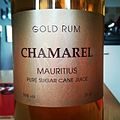
Mauritian cuisine also includes a variety of beverages. Alouda, a sweet milk beverage flavored with basil seeds, is a popular drink. Rum is also a popular alcoholic beverage, with many distilleries on the island producing their own brands.
See Also[edit]
References[edit]

-
 Mauritian cuisine
 -
 Mauritian cuisine
 -
 Mauritian cuisine
 -
 Mauritian cuisine
 -
 Mauritian cuisine
 -
 Mauritian cuisine
 -
 Mauritian cuisine
 -
 Mauritian cuisine
 -
 Mauritian cuisine
 -
 Mauritian cuisine
 -
 Mauritian cuisine
 -
 Mauritian cuisine


_-_beignets_de_poisson.jpg)
_-_curry_de_poisson_(1).jpg)
_-_pains_%C3%A0_l%27ail.jpg)
_-_petite_salade.jpg)

Medical Disclaimer: WikiMD is for informational purposes only and is not a substitute for professional medical advice. Content may be inaccurate or outdated and should not be used for diagnosis or treatment. Always consult your healthcare provider for medical decisions. Verify information with trusted sources such as CDC.gov and NIH.gov. By using this site, you agree that WikiMD is not liable for any outcomes related to its content. See full disclaimer.
Credits:Most images are courtesy of Wikimedia commons, and templates, categories Wikipedia, licensed under CC BY SA or similar.
Translate page: - East Asian
中文,
日本,
한국어,
South Asian
हिन्दी,
தமிழ்,
తెలుగు,
Urdu,
ಕನ್ನಡ,
Southeast Asian
Indonesian,
Vietnamese,
Thai,
မြန်မာဘာသာ,
বাংলা
European
español,
Deutsch,
français,
Greek,
português do Brasil,
polski,
română,
русский,
Nederlands,
norsk,
svenska,
suomi,
Italian
Middle Eastern & African
عربى,
Turkish,
Persian,
Hebrew,
Afrikaans,
isiZulu,
Kiswahili,
Other
Bulgarian,
Hungarian,
Czech,
Swedish,
മലയാളം,
मराठी,
ਪੰਜਾਬੀ,
ગુજરાતી,
Portuguese,
Ukrainian

