Cheese cracker
A cheese cracker is a type of cracker prepared using cheese as a main ingredient. Additional ingredients may include flour, yeast, and seasonings. Cheese crackers can be baked or fried and may be used as a snack food. They are a common food in many different cultures around the world.
Etymology[edit]
The term "cheese cracker" comes from the English words "cheese", a dairy product derived from milk, and "cracker", a type of biscuit that is typically crisp and crunchy. The combination of these two words describes the product: a crunchy biscuit that is flavored with cheese.
History[edit]
Cheese crackers have been a popular snack food for many years. The first known cheese cracker was created in the United States in the late 19th century. Since then, many different variations of cheese crackers have been developed, including those that are gluten-free, vegan, and organic.
Preparation[edit]
Cheese crackers are typically made by combining cheese with flour, yeast, and seasonings. The dough is then rolled out and cut into individual crackers. These are then baked or fried until they are crisp and golden.
Varieties[edit]
There are many different varieties of cheese crackers available. Some are made with a single type of cheese, while others combine several different types of cheese. Some cheese crackers also include additional flavors, such as herbs, spices, or even sweet ingredients like honey or sugar.
Nutrition[edit]
Cheese crackers are a source of carbohydrates, protein, and fat. They can also provide some vitamins and minerals, depending on the type of cheese used. However, they can also be high in sodium and saturated fat, so they should be eaten in moderation.
See also[edit]

This WikiMD article can only be edited by registered and verified editors. You can log in or register.
-
 Rosemary cheese crackers
 -
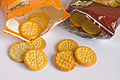 McVities Mini Cheddars (Original and BBQ) with bags
 -
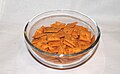 Nabisco brand Cheese Nips
 -
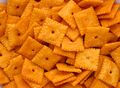 Cheez-It Crackers
 -
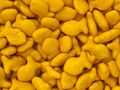 Goldfish Crackers

_with_bags.jpg)


Medical Disclaimer: WikiMD is for informational purposes only and is not a substitute for professional medical advice. Content may be inaccurate or outdated and should not be used for diagnosis or treatment. Always consult your healthcare provider for medical decisions. Verify information with trusted sources such as CDC.gov and NIH.gov. By using this site, you agree that WikiMD is not liable for any outcomes related to its content. See full disclaimer.
Credits:Most images are courtesy of Wikimedia commons, and templates, categories Wikipedia, licensed under CC BY SA or similar.
Translate page: - East Asian
中文,
日本,
한국어,
South Asian
हिन्दी,
தமிழ்,
తెలుగు,
Urdu,
ಕನ್ನಡ,
Southeast Asian
Indonesian,
Vietnamese,
Thai,
မြန်မာဘာသာ,
বাংলা
European
español,
Deutsch,
français,
Greek,
português do Brasil,
polski,
română,
русский,
Nederlands,
norsk,
svenska,
suomi,
Italian
Middle Eastern & African
عربى,
Turkish,
Persian,
Hebrew,
Afrikaans,
isiZulu,
Kiswahili,
Other
Bulgarian,
Hungarian,
Czech,
Swedish,
മലയാളം,
मराठी,
ਪੰਜਾਬੀ,
ગુજરાતી,
Portuguese,
Ukrainian

