Bone char
A form of carbon used in filtration and refining processes
Bone char is a porous, black, granular material primarily composed of carbon, calcium, and phosphorus. It is produced by heating animal bones in an oxygen-limited environment, a process known as pyrolysis. Bone char is widely used in various industrial applications, particularly in the filtration and refining of liquids.
Production[edit]
Bone char is created through the pyrolysis of animal bones, typically from cattle. The bones are cleaned and then heated to temperatures between 400°C and 500°C in the absence of oxygen. This process removes organic material and leaves behind a carbon-rich material. The resulting bone char consists of approximately 10% carbon, 80% calcium phosphate, and 10% other inorganic materials.
Applications[edit]
Water Filtration[edit]
Bone char is highly effective in removing fluoride and heavy metals from water. Its porous structure and high surface area allow it to adsorb contaminants efficiently. This makes it a popular choice for water purification systems, particularly in areas where fluoride levels in drinking water are high.
Sugar Refining[edit]
In the sugar industry, bone char is used to decolorize and purify sugar solutions. The char adsorbs colored impurities, resulting in a whiter sugar product. This process is known as "bone char filtration" and is commonly used in the production of refined sugar.
Other Uses[edit]
Bone char is also used in the production of activated carbon, as a black pigment in art, and in the manufacture of certain fertilizers. Its ability to adsorb impurities makes it valuable in various chemical processes.
Environmental Impact[edit]
The production and use of bone char have raised environmental and ethical concerns. The sourcing of animal bones and the energy-intensive pyrolysis process contribute to its environmental footprint. Additionally, the use of animal-derived materials in industrial processes is a topic of ethical debate.
Related pages[edit]
-
 Bone char
 -
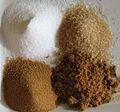 Bone char
 -
 Bone char
 -
 Bone char
.jpg)

.jpg)


Medical Disclaimer: WikiMD is for informational purposes only and is not a substitute for professional medical advice. Content may be inaccurate or outdated and should not be used for diagnosis or treatment. Always consult your healthcare provider for medical decisions. Verify information with trusted sources such as CDC.gov and NIH.gov. By using this site, you agree that WikiMD is not liable for any outcomes related to its content. See full disclaimer.
Credits:Most images are courtesy of Wikimedia commons, and templates, categories Wikipedia, licensed under CC BY SA or similar.
Translate page: - East Asian
中文,
日本,
한국어,
South Asian
हिन्दी,
தமிழ்,
తెలుగు,
Urdu,
ಕನ್ನಡ,
Southeast Asian
Indonesian,
Vietnamese,
Thai,
မြန်မာဘာသာ,
বাংলা
European
español,
Deutsch,
français,
Greek,
português do Brasil,
polski,
română,
русский,
Nederlands,
norsk,
svenska,
suomi,
Italian
Middle Eastern & African
عربى,
Turkish,
Persian,
Hebrew,
Afrikaans,
isiZulu,
Kiswahili,
Other
Bulgarian,
Hungarian,
Czech,
Swedish,
മലയാളം,
मराठी,
ਪੰਜਾਬੀ,
ગુજરાતી,
Portuguese,
Ukrainian

