Beef tenderloin
Beef tenderloin is a cut of beef that is often considered to be one of the most tender and desirable cuts. It is located in the middle of the cow's back and is part of the larger loin cut.
Overview[edit]
The beef tenderloin is a long, narrow, and lean muscle located within the loin. This muscle is not heavily used, which contributes to its tenderness. The tenderloin can be cut into smaller portions for steaks, which are known as filet mignon, tournedos, or chateaubriand, depending on their size and the method of preparation.
Preparation[edit]
The beef tenderloin is often cooked whole, but it can also be cut into individual steaks. When cooked whole, it is often roasted in the oven or grilled. The tenderloin is known for its mild flavor, which can be enhanced with various marinades, rubs, or sauces. It is also commonly wrapped in bacon to add fat and flavor, as the tenderloin itself is quite lean.
Nutritional Value[edit]
Beef tenderloin is a good source of protein, vitamin B12, zinc, and selenium. However, it is also high in saturated fat and cholesterol, which can contribute to heart disease if consumed in excess.
See Also[edit]

-
 Beef Cut Tenderloin
 -
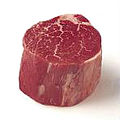 Beef tenderloin
 -
 Braised Tenderloin of Beef
 -
 Beef Tenderloin


Medical Disclaimer: WikiMD is for informational purposes only and is not a substitute for professional medical advice. Content may be inaccurate or outdated and should not be used for diagnosis or treatment. Always consult your healthcare provider for medical decisions. Verify information with trusted sources such as CDC.gov and NIH.gov. By using this site, you agree that WikiMD is not liable for any outcomes related to its content. See full disclaimer.
Credits:Most images are courtesy of Wikimedia commons, and templates, categories Wikipedia, licensed under CC BY SA or similar.
Translate this page: - East Asian
中文,
日本,
한국어,
South Asian
हिन्दी,
தமிழ்,
తెలుగు,
Urdu,
ಕನ್ನಡ,
Southeast Asian
Indonesian,
Vietnamese,
Thai,
မြန်မာဘာသာ,
বাংলা
European
español,
Deutsch,
français,
Greek,
português do Brasil,
polski,
română,
русский,
Nederlands,
norsk,
svenska,
suomi,
Italian
Middle Eastern & African
عربى,
Turkish,
Persian,
Hebrew,
Afrikaans,
isiZulu,
Kiswahili,
Other
Bulgarian,
Hungarian,
Czech,
Swedish,
മലയാളം,
मराठी,
ਪੰਜਾਬੀ,
ગુજરાતી,
Portuguese,
Ukrainian
