Barolo
Barolo is a red Denominazione di Origine Controllata e Garantita (DOCG) wine produced in the northern Italian region of Piedmont. It is made from the Nebbiolo grape and is often described as one of Italy's greatest wines.
History[edit]
The production of Barolo wine dates back to the 19th century, where it was first produced by the Marchesi di Barolo family. The wine was traditionally made in a style that required it to be aged for many years before it could be consumed. However, in the late 20th century, a new style of Barolo wine emerged that was more fruit-forward and could be consumed at a younger age.
Production[edit]
Barolo is produced in the communes of Barolo, Castiglione Falletto, and Serralunga d'Alba, as well as parts of the communes of Cherasco, Diano d'Alba, Grinzane Cavour, La Morra, Monforte d'Alba, Novello, Roddi, and Verduno, all within the province of Cuneo. The soil of this area is primarily clay and marl, which combined with the local climate, is ideal for the cultivation of the Nebbiolo grape.
Characteristics[edit]
Barolo wines are rich in tannins and acidity, which contribute to their ability to age well. They are known for their powerful and complex flavor profile, with aromas of roses, cherries, and truffles. The color of Barolo wine can range from garnet to deep ruby red.
Food Pairing[edit]
Due to its robust character, Barolo pairs well with rich, hearty dishes such as braised meats, truffles, and risotto. It is also commonly served with cheese and charcuterie.
See Also[edit]


Barolo gallery[edit]
-
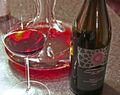 Cascin Adelaide Barolo & decanter
 -
 11 Meyer-Pierson
 -
 Westfield winery baskerville gnangarra
 -
 Serralunga d'Alba
 -
 Barolo Castello
 -
 Nebbiolo vineyard in Barolo
 -
 Conterno Fantino Barolo Vigna del Gris 1996
 -
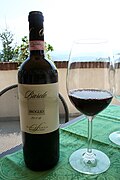 Barolo in Piemonte, Italy
 -
 Basket or "cassette" of nebbiolo
 -
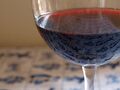 Glass of Barolo


Medical Disclaimer: WikiMD is for informational purposes only and is not a substitute for professional medical advice. Content may be inaccurate or outdated and should not be used for diagnosis or treatment. Always consult your healthcare provider for medical decisions. Verify information with trusted sources such as CDC.gov and NIH.gov. By using this site, you agree that WikiMD is not liable for any outcomes related to its content. See full disclaimer.
Credits:Most images are courtesy of Wikimedia commons, and templates, categories Wikipedia, licensed under CC BY SA or similar.
Translate page: - East Asian
中文,
日本,
한국어,
South Asian
हिन्दी,
தமிழ்,
తెలుగు,
Urdu,
ಕನ್ನಡ,
Southeast Asian
Indonesian,
Vietnamese,
Thai,
မြန်မာဘာသာ,
বাংলা
European
español,
Deutsch,
français,
Greek,
português do Brasil,
polski,
română,
русский,
Nederlands,
norsk,
svenska,
suomi,
Italian
Middle Eastern & African
عربى,
Turkish,
Persian,
Hebrew,
Afrikaans,
isiZulu,
Kiswahili,
Other
Bulgarian,
Hungarian,
Czech,
Swedish,
മലയാളം,
मराठी,
ਪੰਜਾਬੀ,
ગુજરાતી,
Portuguese,
Ukrainian

