2011 Germany E. coli O104:H4 outbreak
2011 outbreak of E. coli in Germany
The 2011 Germany E. coli O104:H4 outbreak was a significant public health crisis that occurred in Germany, primarily affecting the northern regions. The outbreak was caused by a rare strain of Escherichia coli known as O104:H4, which led to severe illness and numerous fatalities.
Background[edit]
Escherichia coli (E. coli) is a bacterium commonly found in the intestines of humans and animals. While most strains are harmless, some can cause severe foodborne illness. The O104:H4 strain is particularly virulent and is known for producing Shiga toxin, which can lead to serious complications such as hemolytic uremic syndrome (HUS).
Outbreak[edit]
The outbreak began in May 2011 and was initially concentrated in northern Germany. It was characterized by a high number of cases of bloody diarrhea and HUS. The source of the outbreak was eventually traced to contaminated fenugreek seeds used to grow sprouts.
Symptoms and Complications[edit]
Patients infected with the O104:H4 strain experienced symptoms such as severe abdominal cramps, diarrhea (often bloody), and vomiting. A significant number of patients developed HUS, a condition that can lead to kidney failure, thrombocytopenia, and hemolytic anemia.
Diagnosis[edit]
Diagnosis of E. coli O104:H4 infection involves stool culture and polymerase chain reaction (PCR) testing to identify the presence of the specific strain. Blood tests are also conducted to assess kidney function and detect signs of HUS.
Treatment[edit]
Treatment primarily focuses on supportive care, including rehydration therapy and dialysis for patients with kidney failure. Antibiotics are generally not recommended as they may increase the risk of HUS.
Public Health Response[edit]
The outbreak prompted a significant public health response, including the issuance of warnings against consuming raw sprouts and the implementation of stricter food safety regulations. The outbreak highlighted the importance of rapid identification and response to foodborne illnesses.
Impact[edit]
The outbreak resulted in over 3,000 cases and 50 deaths, making it one of the deadliest E. coli outbreaks in recent history. It had a significant impact on the agricultural sector, particularly for producers of sprouts and other fresh produce.
Related pages[edit]
Gallery[edit]
-
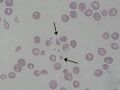 Schizocytes seen in a blood smear, indicative of hemolytic anemia.

2011 Germany E. coli O104:H4 outbreak[edit]

Medical Disclaimer: WikiMD is for informational purposes only and is not a substitute for professional medical advice. Content may be inaccurate or outdated and should not be used for diagnosis or treatment. Always consult your healthcare provider for medical decisions. Verify information with trusted sources such as CDC.gov and NIH.gov. By using this site, you agree that WikiMD is not liable for any outcomes related to its content. See full disclaimer.
Credits:Most images are courtesy of Wikimedia commons, and templates, categories Wikipedia, licensed under CC BY SA or similar.
Translate page: - East Asian
中文,
日本,
한국어,
South Asian
हिन्दी,
தமிழ்,
తెలుగు,
Urdu,
ಕನ್ನಡ,
Southeast Asian
Indonesian,
Vietnamese,
Thai,
မြန်မာဘာသာ,
বাংলা
European
español,
Deutsch,
français,
Greek,
português do Brasil,
polski,
română,
русский,
Nederlands,
norsk,
svenska,
suomi,
Italian
Middle Eastern & African
عربى,
Turkish,
Persian,
Hebrew,
Afrikaans,
isiZulu,
Kiswahili,
Other
Bulgarian,
Hungarian,
Czech,
Swedish,
മലയാളം,
मराठी,
ਪੰਜਾਬੀ,
ગુજરાતી,
Portuguese,
Ukrainian

