Tonic tensor tympani syndrome

Editor-In-Chief: Prab R Tumpati, MD
Obesity, Sleep & Internal medicine
Founder, WikiMD Wellnesspedia &
W8MD's medical weight loss NYC, sleep center NYC
Philadelphia medical weight loss and Philadelphia sleep clinics
| Tonic tensor tympani syndrome | |
|---|---|
.png)
| |
| Synonyms | N/A |
| Pronounce | N/A |
| Specialty | N/A |
| Symptoms | Ear pain, tinnitus, hyperacusis, ear fullness |
| Complications | N/A |
| Onset | Any age |
| Duration | Chronic |
| Types | N/A |
| Causes | Stress, anxiety, muscle tension |
| Risks | Noise exposure, stress, anxiety disorders |
| Diagnosis | Clinical diagnosis, audiometry |
| Differential diagnosis | Temporomandibular joint disorder, Eustachian tube dysfunction, Meniere's disease |
| Prevention | N/A |
| Treatment | Cognitive behavioral therapy, sound therapy, muscle relaxants |
| Medication | Benzodiazepines, antidepressants |
| Prognosis | Variable, often chronic |
| Frequency | Rare |
| Deaths | N/A |
Therapeutic privilege is a concept in medical ethics that allows a physician to withhold information from a patient if they believe that disclosing the information could lead to harm or distress for the patient. This is a controversial practice, as it can be seen as infringing on the patient's autonomy and right to make informed decisions about their own healthcare.
Introduction[edit]
Therapeutic privilege is often invoked in situations where a physician believes that the patient may become overly anxious or distressed if they are fully informed about their medical condition or the risks associated with a proposed treatment. The physician may choose to withhold certain information, or to present it in a way that minimizes the potential for distress. However, this practice is controversial. Critics argue that it infringes on the patient's autonomy and their right to make informed decisions about their own healthcare. They argue that patients have a right to know all relevant information about their health, even if it is distressing.
Ethical considerations[edit]
The concept of therapeutic privilege raises several ethical questions. One of the key issues is the balance between the patient's right to autonomy and the physician's duty to do no harm. While withholding information may prevent distress, it can also prevent the patient from making fully informed decisions about their healthcare. Another ethical issue is the potential for abuse of therapeutic privilege. There is a risk that physicians may use this privilege to withhold information not for the benefit of the patient, but to protect themselves from potential legal action or to make their own job easier.
Legal status[edit]
The legal status of therapeutic privilege varies from country to country. In some jurisdictions, it is recognized as a valid exception to the requirement for informed consent. In others, it is not recognized at all, or is only recognized in very limited circumstances.
Gallery[edit]
-
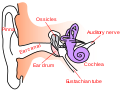 Diagram of ear anatomy
 -
 Tympanometry test illustration


See also[edit]
References[edit]
<references />


Ad. Transform your health with W8MD Weight Loss, Sleep & MedSpa

Tired of being overweight?
Get started with evidence based, physician-supervised
affordable GLP-1 weight loss injections
Now available in New York City and Philadelphia:
- Semaglutide starting from $59.99/week and up
- Tirzepatide starting from $69.99/week and up (dose dependent)
✔ Evidence-based medical weight loss ✔ Insurance-friendly visits available ✔ Same-week appointments, evenings & weekends
Learn more:
Start your transformation today with W8MD weight loss centers.
|
WikiMD Medical Encyclopedia |
Medical Disclaimer: WikiMD is for informational purposes only and is not a substitute for professional medical advice. Content may be inaccurate or outdated and should not be used for diagnosis or treatment. Always consult your healthcare provider for medical decisions. Verify information with trusted sources such as CDC.gov and NIH.gov. By using this site, you agree that WikiMD is not liable for any outcomes related to its content. See full disclaimer.
Credits:Most images are courtesy of Wikimedia commons, and templates, categories Wikipedia, licensed under CC BY SA or similar.
Translate this page: - East Asian
中文,
日本,
한국어,
South Asian
हिन्दी,
தமிழ்,
తెలుగు,
Urdu,
ಕನ್ನಡ,
Southeast Asian
Indonesian,
Vietnamese,
Thai,
မြန်မာဘာသာ,
বাংলা
European
español,
Deutsch,
français,
Greek,
português do Brasil,
polski,
română,
русский,
Nederlands,
norsk,
svenska,
suomi,
Italian
Middle Eastern & African
عربى,
Turkish,
Persian,
Hebrew,
Afrikaans,
isiZulu,
Kiswahili,
Other
Bulgarian,
Hungarian,
Czech,
Swedish,
മലയാളം,
मराठी,
ਪੰਜਾਬੀ,
ગુજરાતી,
Portuguese,
Ukrainian
