Anal fissure
Anal fissure, also known as fissura ani, is a small tear in the anal canal, typically causing pain and discomfort during and after defecation. The condition often leads to rectal bleeding, particularly after bowel movements. The sharp, intense pain may last for minutes to hours, making defecation a distressing experience.
Causes
The exact cause of an anal fissure is not always clear, but several factors contribute to its development:
- Constipation and straining during bowel movement
- Excessive tension in the anal sphincter
- Reduced blood circulation to the anal region
- Skin irritation due to improper drying after bathing or swimming
- Excessive stretching of the anal canal
- Pregnancy and childbirth
- Delayed diaper changes in infants
Once a fissure occurs, it may take 6 weeks to 3 months to fully heal. During this period, the fissure can reopen easily, leading to recurring symptoms.
Treatment
Management of anal fissures involves a combination of medications, lifestyle changes, and, in some cases, surgery. Treatment options include:
Medications
A healthcare provider may prescribe various treatments to relieve pain, reduce inflammation, and promote healing:
- Topical pain-relief ointments – Medications containing local anesthetics can help reduce pain and discomfort.
- Suppositories – Rectal medications that provide relief by coating and soothing the affected area.
- Laxatives – To prevent constipation and ease stool passage.
- Zinc-based ointments – Help protect and contract the skin, promoting faster healing.
- Muscle relaxants – Medications such as nitroglycerin or calcium channel blockers may help relax the anal sphincter and improve blood flow.
Home Remedies and Self-Care
Patients can adopt several measures to promote healing and prevent recurrence:
- Eating a high-fiber diet, including whole grains, vegetables, and fruits.
- Staying hydrated by drinking plenty of fluids.
- Using a stool softener if necessary.
- Practicing proper hygiene and ensuring the anal area remains dry.
- Taking warm sitz baths 2–3 times daily to relax the anal muscles and promote healing.
Chronic Fissure Treatment
If an anal fissure persists for more than 6 weeks, it is classified as chronic. Treatment options for chronic fissures include:
- Botulinum toxin (Botox) injection – Helps relax the anal sphincter, reducing pressure and promoting healing.
- Lateral internal sphincterotomy – A surgical procedure where a small portion of the anal sphincter is cut to reduce tension and improve healing.
- Dilation procedures – Involves gentle stretching of the anal canal to reduce pressure.
Prevention
To prevent recurrence, patients should take certain precautions for up to three months after healing. Recommended steps include:
Dietary and Lifestyle Changes
- Maintain a high-fiber diet to prevent constipation.
- Avoid foods that can harden stool, such as white bread, cheese, and caffeine.
- Drink enough water daily to keep bowel movements soft.
- Engage in regular physical activity to promote healthy digestion.
Proper Hygiene Practices
- Ensure the anal area is completely dry after bathing or swimming.
- Use soft toilet paper or baby wipes instead of rough tissues.
- Wash the anal region with warm water rather than wiping aggressively.
Sitz Baths and Skin Care
- Soak in a tub with warm water and baking soda for 15–20 minutes to soothe irritation.
- Apply a thin layer of oil, such as olive oil or coconut oil, to keep the skin soft and prevent tearing.
When to See a Doctor
While most anal fissures heal on their own, medical consultation is necessary if:
- Pain persists for more than 6 weeks.
- Bleeding occurs frequently.
- The fissure does not improve despite treatment.
- A lump or swelling is present near the anus.
If blood is observed in the stool, it is essential to rule out other conditions such as hemorrhoids or colon cancer.
Gallery
-
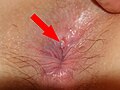 Anal fissure
 -
 Fissurectomy wound - initial stage
 -
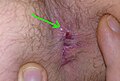 Fissurectomy wound after 3 weeks
 -
 Fissurectomy wound after 12 weeks


See Also
| Digestive system diseases | ||||||||||
|---|---|---|---|---|---|---|---|---|---|---|
This digestive diseases related article is a stub.
|
Ad. Transform your health with W8MD Weight Loss, Sleep & MedSpa

Tired of being overweight?
Special offer:
Budget GLP-1 weight loss medications
- Semaglutide starting from $29.99/week and up with insurance for visit of $59.99 and up per week self pay.
- Tirzepatide starting from $45.00/week and up (dose dependent) or $69.99/week and up self pay
✔ Same-week appointments, evenings & weekends
Learn more:
- GLP-1 weight loss clinic NYC
- W8MD's NYC medical weight loss
- W8MD Philadelphia GLP-1 shots
- Philadelphia GLP-1 injections
- Affordable GLP-1 shots NYC
- Budget GLP-1 shots
|
WikiMD Medical Encyclopedia |
Medical Disclaimer: WikiMD is for informational purposes only and is not a substitute for professional medical advice. Content may be inaccurate or outdated and should not be used for diagnosis or treatment. Always consult your healthcare provider for medical decisions. Verify information with trusted sources such as CDC.gov and NIH.gov. By using this site, you agree that WikiMD is not liable for any outcomes related to its content. See full disclaimer.
Credits:Most images are courtesy of Wikimedia commons, and templates, categories Wikipedia, licensed under CC BY SA or similar.
Translate this page: - East Asian
中文,
日本,
한국어,
South Asian
हिन्दी,
தமிழ்,
తెలుగు,
Urdu,
ಕನ್ನಡ,
Southeast Asian
Indonesian,
Vietnamese,
Thai,
မြန်မာဘာသာ,
বাংলা
European
español,
Deutsch,
français,
Greek,
português do Brasil,
polski,
română,
русский,
Nederlands,
norsk,
svenska,
suomi,
Italian
Middle Eastern & African
عربى,
Turkish,
Persian,
Hebrew,
Afrikaans,
isiZulu,
Kiswahili,
Other
Bulgarian,
Hungarian,
Czech,
Swedish,
മലയാളം,
मराठी,
ਪੰਜਾਬੀ,
ગુજરાતી,
Portuguese,
Ukrainian
