Dried fish
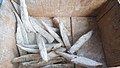
Dried fish is a method of food preservation that works by removing water from the fish, which inhibits the growth of microorganisms. It is a method of preserving fish that has been practiced since ancient times.
History[edit]
The practice of drying fish dates back to ancient times. Ancient cultures such as the Romans and Egyptians used this method to preserve their fish for long periods. The process was often combined with salting, another preservation method, to further extend the shelf life of the fish.
Process[edit]
The process of drying fish involves extracting the water from the fish. This is usually done by placing the fish in the sun and wind for several days until it is completely dry. In some cases, the fish may also be smoked during the drying process to add flavor. The fish is often salted before drying to help draw out the moisture and to add taste.
Types of Dried Fish[edit]
There are many types of dried fish available worldwide. Some of the most popular include stockfish, which is unsalted fish, especially cod, dried by cold air and wind on wooden racks, and biltong, a form of dried, cured meat that originated in Southern African countries.
Uses[edit]
Dried fish is a staple in many cultures around the world. It is often used in soups and stews, and can also be eaten on its own. In some cultures, dried fish is a delicacy that is enjoyed on special occasions.
Health Benefits[edit]
Dried fish is a rich source of protein, vitamin B, omega-3 fatty acids, and minerals such as iron, zinc, and calcium. It is also low in fat, making it a healthy choice for those watching their diet.
See Also[edit]

-
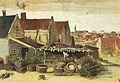 Dried fish
 -
 Dried fish
 -
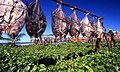 Dried fish
 -
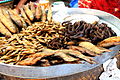 Dried fish
 -
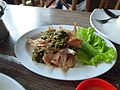 Dried fish
 -
 Dried fish
 -
 Dried fish
 -
 Dried fish
 -
 Dried fish
 -
 Dried fish
 -
 Dried fish
 -
 Dried fish


.jpg)


.JPG)
Ad. Transform your health with W8MD Weight Loss, Sleep & MedSpa

Tired of being overweight?
Special offer:
Budget GLP-1 weight loss medications
- Semaglutide starting from $29.99/week and up with insurance for visit of $59.99 and up per week self pay.
- Tirzepatide starting from $45.00/week and up (dose dependent) or $69.99/week and up self pay
✔ Same-week appointments, evenings & weekends
Learn more:
- GLP-1 weight loss clinic NYC
- W8MD's NYC medical weight loss
- W8MD Philadelphia GLP-1 shots
- Philadelphia GLP-1 injections
- Affordable GLP-1 shots NYC
|
WikiMD Medical Encyclopedia |
Medical Disclaimer: WikiMD is for informational purposes only and is not a substitute for professional medical advice. Content may be inaccurate or outdated and should not be used for diagnosis or treatment. Always consult your healthcare provider for medical decisions. Verify information with trusted sources such as CDC.gov and NIH.gov. By using this site, you agree that WikiMD is not liable for any outcomes related to its content. See full disclaimer.
Credits:Most images are courtesy of Wikimedia commons, and templates, categories Wikipedia, licensed under CC BY SA or similar.
Translate this page: - East Asian
中文,
日本,
한국어,
South Asian
हिन्दी,
தமிழ்,
తెలుగు,
Urdu,
ಕನ್ನಡ,
Southeast Asian
Indonesian,
Vietnamese,
Thai,
မြန်မာဘာသာ,
বাংলা
European
español,
Deutsch,
français,
Greek,
português do Brasil,
polski,
română,
русский,
Nederlands,
norsk,
svenska,
suomi,
Italian
Middle Eastern & African
عربى,
Turkish,
Persian,
Hebrew,
Afrikaans,
isiZulu,
Kiswahili,
Other
Bulgarian,
Hungarian,
Czech,
Swedish,
മലയാളം,
मराठी,
ਪੰਜਾਬੀ,
ગુજરાતી,
Portuguese,
Ukrainian
