Fish diseases and parasites
Fish diseases and parasites are a significant concern in both wild and farmed fish populations. They can affect the health of individual fish, populations, and entire ecosystems. Fish diseases and parasites can be caused by a variety of organisms, including bacteria, viruses, fungi, and parasites.
Types of Fish Diseases and Parasites[edit]
Fish diseases can be broadly categorized into infectious and non-infectious diseases. Infectious diseases are caused by pathogens such as bacteria, viruses, and fungi, while non-infectious diseases can be caused by environmental factors, nutritional deficiencies, or genetic disorders.
Parasites are another major cause of disease in fish. These can be external parasites that attach to the skin, scales, or gills of fish, or internal parasites that live inside the fish's body.
Bacterial Diseases[edit]
Bacterial diseases in fish can be caused by a variety of bacteria, including Aeromonas, Pseudomonas, and Mycobacterium species. These diseases can cause symptoms such as skin ulcers, fin rot, and systemic infections.
Viral Diseases[edit]
Viral diseases in fish can be caused by a variety of viruses, including the Infectious Salmon Anemia Virus (ISAV), the Viral Hemorrhagic Septicemia Virus (VHSV), and the Koi Herpes Virus (KHV).
Fungal Diseases[edit]
Fungal diseases in fish are typically caused by water molds, such as Saprolegnia species. These fungi can cause skin and gill infections, and can also infect fish eggs.
Parasitic Diseases[edit]
Parasitic diseases in fish can be caused by a variety of parasites, including protozoans, helminths, and crustaceans. These parasites can cause a variety of symptoms, including skin lesions, gill damage, and internal organ damage.
Prevention and Treatment[edit]
Prevention of fish diseases and parasites involves maintaining good water quality, providing a balanced diet, and avoiding stressors. Treatment can involve the use of antibiotics, antiviral drugs, antifungal drugs, or antiparasitic drugs, depending on the cause of the disease.
Impact on Aquaculture and Wild Fish Populations[edit]
Fish diseases and parasites can have a significant impact on aquaculture, causing economic losses and threatening food security. They can also affect wild fish populations, potentially leading to population declines and changes in ecosystem dynamics.
| Fish diseases and disorders | ||||||||||
|---|---|---|---|---|---|---|---|---|---|---|
This fish disease related article is a stub.
|
| Parasites | ||||||||||
|---|---|---|---|---|---|---|---|---|---|---|
This parasitology-related article is a stub.
|

-
 Life cycle of Ichthyophthirius multifiliis
 -
 Life cycle 2
 -
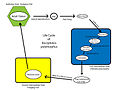 Bucephalus life cycle
 -
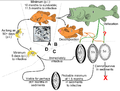 Life cycle of Huffmanela huffmani Moravec, 1987
 -
 Mulloidichthys flavolineatus at cleaning station
 -
 Lifecycle of Pfiesteria
 -
 Henneguya salminicola in flesh of coho salmon, BC, Canada
 -
 Pink salmon infected with Henneguya - October 2009
 -
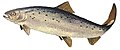 Salmo salar
 -
 A. Salmonicida
 -
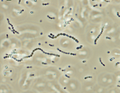 Streptococcus iniae
 -
 Fish diseases and parasites


.jpg)


Ad. Transform your life with W8MD's
GLP-1 weight loss injections special from $29.99 with insurance
|
WikiMD Medical Encyclopedia |
Medical Disclaimer: WikiMD is for informational purposes only and is not a substitute for professional medical advice. Content may be inaccurate or outdated and should not be used for diagnosis or treatment. Always consult your healthcare provider for medical decisions. Verify information with trusted sources such as CDC.gov and NIH.gov. By using this site, you agree that WikiMD is not liable for any outcomes related to its content. See full disclaimer.
Credits:Most images are courtesy of Wikimedia commons, and templates, categories Wikipedia, licensed under CC BY SA or similar.
Translate this page: - East Asian
中文,
日本,
한국어,
South Asian
हिन्दी,
தமிழ்,
తెలుగు,
Urdu,
ಕನ್ನಡ,
Southeast Asian
Indonesian,
Vietnamese,
Thai,
မြန်မာဘာသာ,
বাংলা
European
español,
Deutsch,
français,
Greek,
português do Brasil,
polski,
română,
русский,
Nederlands,
norsk,
svenska,
suomi,
Italian
Middle Eastern & African
عربى,
Turkish,
Persian,
Hebrew,
Afrikaans,
isiZulu,
Kiswahili,
Other
Bulgarian,
Hungarian,
Czech,
Swedish,
മലയാളം,
मराठी,
ਪੰਜਾਬੀ,
ગુજરાતી,
Portuguese,
Ukrainian
