Locomotive syndrome
Locomotive syndrome is a condition that affects the musculoskeletal system, leading to reduced mobility and increased risk of disability. It is primarily associated with aging and is characterized by a decline in physical function, including the ability to walk, climb stairs, and maintain balance.
Definition[edit]
Locomotive syndrome was first proposed by the Japanese Orthopaedic Association (JOA) in 2007 as a concept for understanding and addressing mobility problems associated with aging. The term "locomotive" refers to the body's locomotor system, which includes the bones, joints, and muscles that enable movement.
Causes[edit]
The primary cause of locomotive syndrome is the degeneration of the locomotor system due to aging. This can include conditions such as osteoarthritis, osteoporosis, and sarcopenia (loss of muscle mass and strength). Other factors that can contribute to the development of locomotive syndrome include obesity, lack of physical activity, and chronic diseases such as diabetes and cardiovascular disease.
Symptoms[edit]
Symptoms of locomotive syndrome can vary depending on the specific conditions involved and their severity. Common symptoms include pain or stiffness in the joints, difficulty walking or climbing stairs, loss of balance, and frequent falls. In severe cases, locomotive syndrome can lead to disability and loss of independence.
Diagnosis[edit]
Diagnosis of locomotive syndrome is based on a combination of physical examination, patient history, and specific tests. These tests can include the "two-step test", which measures walking ability, and the "stand-up test", which assesses leg strength and balance.
Treatment[edit]
Treatment for locomotive syndrome focuses on improving mobility and reducing pain. This can involve a combination of physical therapy, exercise, medication, and in some cases, surgery. Lifestyle changes, such as maintaining a healthy weight and staying active, can also help manage symptoms and slow the progression of the disease.
Prevention[edit]
Prevention of locomotive syndrome involves maintaining a healthy lifestyle, including regular exercise, a balanced diet, and regular check-ups to monitor bone and joint health. Early detection and treatment of conditions that can lead to locomotive syndrome, such as osteoporosis and arthritis, can also help prevent its development.
See also[edit]
 | |
|---|---|
 |
 |
| Orthopedic Problems | ||||||||||
|---|---|---|---|---|---|---|---|---|---|---|
This orthopedic problems related article is a stub.
|
| Geriatrics | ||||||||||
|---|---|---|---|---|---|---|---|---|---|---|
This geriatrics related article is a stub.
|
| Syndromes | ||||||||||
|---|---|---|---|---|---|---|---|---|---|---|
This syndrome related article is a stub.
|
-
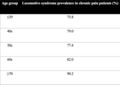 Prevalence of chronic pain patients according to a study in Japan
 -
 Stand-up test
 -
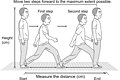 Two-step test
 -
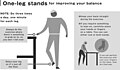 One leg stands
 -
 Squatting


Ad. Transform your health with W8MD Weight Loss, Sleep & MedSpa

Tired of being overweight?
Special offer:
Budget GLP-1 weight loss medications
- Semaglutide starting from $29.99/week and up with insurance for visit of $59.99 and up per week self pay.
- Tirzepatide starting from $45.00/week and up (dose dependent) or $69.99/week and up self pay
✔ Same-week appointments, evenings & weekends
Learn more:
- GLP-1 weight loss clinic NYC
- W8MD's NYC medical weight loss
- W8MD Philadelphia GLP-1 shots
- Philadelphia GLP-1 injections
- Affordable GLP-1 shots NYC
|
WikiMD Medical Encyclopedia |
Medical Disclaimer: WikiMD is for informational purposes only and is not a substitute for professional medical advice. Content may be inaccurate or outdated and should not be used for diagnosis or treatment. Always consult your healthcare provider for medical decisions. Verify information with trusted sources such as CDC.gov and NIH.gov. By using this site, you agree that WikiMD is not liable for any outcomes related to its content. See full disclaimer.
Credits:Most images are courtesy of Wikimedia commons, and templates, categories Wikipedia, licensed under CC BY SA or similar.
Translate this page: - East Asian
中文,
日本,
한국어,
South Asian
हिन्दी,
தமிழ்,
తెలుగు,
Urdu,
ಕನ್ನಡ,
Southeast Asian
Indonesian,
Vietnamese,
Thai,
မြန်မာဘာသာ,
বাংলা
European
español,
Deutsch,
français,
Greek,
português do Brasil,
polski,
română,
русский,
Nederlands,
norsk,
svenska,
suomi,
Italian
Middle Eastern & African
عربى,
Turkish,
Persian,
Hebrew,
Afrikaans,
isiZulu,
Kiswahili,
Other
Bulgarian,
Hungarian,
Czech,
Swedish,
മലയാളം,
मराठी,
ਪੰਜਾਬੀ,
ગુજરાતી,
Portuguese,
Ukrainian
