Acetyldigitoxin
A cardiac glycoside used in the treatment of heart conditions
| Acetyldigitoxin | |
|---|---|

| |
| INN | |
| Drug class | |
| Routes of administration | |
| Pregnancy category | |
| Bioavailability | |
| Metabolism | |
| Elimination half-life | |
| Excretion | |
| Legal status | |
| CAS Number | |
| PubChem | |
| DrugBank | |
| ChemSpider | |
| KEGG | |
Acetyldigitoxin is a cardiac glycoside used in the treatment of certain heart conditions, particularly heart failure and atrial fibrillation. It is derived from the Digitalis plant, commonly known as foxglove, and is chemically related to other cardiac glycosides such as digoxin and digitoxin.
Pharmacology
Acetyldigitoxin works by inhibiting the sodium-potassium ATPase pump in cardiac cells. This inhibition leads to an increase in intracellular sodium concentration, which in turn affects the sodium-calcium exchanger and results in increased intracellular calcium levels. The elevated calcium concentration enhances the force of myocardial contraction, a mechanism known as positive inotropy.
Clinical Use
Acetyldigitoxin is primarily used in the management of chronic heart failure and certain types of arrhythmias, such as atrial fibrillation and atrial flutter. It helps to improve cardiac output and control the ventricular rate in patients with atrial fibrillation.
Administration and Dosage
The drug is administered orally, and the dosage must be carefully adjusted based on the patient's response and renal function. Due to its narrow therapeutic index, monitoring of drug levels and patient symptoms is essential to avoid toxicity.
Side Effects
Common side effects of acetyldigitoxin include nausea, vomiting, diarrhea, and fatigue. More serious adverse effects can include arrhythmias, visual disturbances, and confusion.
Toxicity
Acetyldigitoxin toxicity can occur due to its narrow therapeutic window. Symptoms of toxicity include gastrointestinal disturbances, neurological symptoms, and cardiac arrhythmias. Treatment involves discontinuation of the drug and administration of digoxin-specific antibody fragments if necessary.
Related pages
Gallery
-
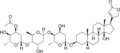 Chemical structure of Acetyldigitoxin
Ad. Transform your life with W8MD's Budget GLP-1 injections from $49.99


W8MD offers a medical weight loss program to lose weight in Philadelphia. Our physician-supervised medical weight loss provides:
- Weight loss injections in NYC (generic and brand names):
- Zepbound / Mounjaro, Wegovy / Ozempic, Saxenda
- Most insurances accepted or discounted self-pay rates. We will obtain insurance prior authorizations if needed.
- Generic GLP1 weight loss injections from $49.99 for the starting dose of Semaglutide and $65.00 for Tirzepatide.
- Also offer prescription weight loss medications including Phentermine, Qsymia, Diethylpropion, Contrave etc.
NYC weight loss doctor appointmentsNYC weight loss doctor appointments
Start your NYC weight loss journey today at our NYC medical weight loss and Philadelphia medical weight loss clinics.
- Call 718-946-5500 to lose weight in NYC or for medical weight loss in Philadelphia 215-676-2334.
- Tags:NYC medical weight loss, Philadelphia lose weight Zepbound NYC, Budget GLP1 weight loss injections, Wegovy Philadelphia, Wegovy NYC, Philadelphia medical weight loss, Brookly weight loss and Wegovy NYC


|
WikiMD's Wellness Encyclopedia |
| Let Food Be Thy Medicine Medicine Thy Food - Hippocrates |
Medical Disclaimer: WikiMD is not a substitute for professional medical advice. The information on WikiMD is provided as an information resource only, may be incorrect, outdated or misleading, and is not to be used or relied on for any diagnostic or treatment purposes. Please consult your health care provider before making any healthcare decisions or for guidance about a specific medical condition. WikiMD expressly disclaims responsibility, and shall have no liability, for any damages, loss, injury, or liability whatsoever suffered as a result of your reliance on the information contained in this site. By visiting this site you agree to the foregoing terms and conditions, which may from time to time be changed or supplemented by WikiMD. If you do not agree to the foregoing terms and conditions, you should not enter or use this site. See full disclaimer.
Credits:Most images are courtesy of Wikimedia commons, and templates, categories Wikipedia, licensed under CC BY SA or similar.
Translate this page: - East Asian
中文,
日本,
한국어,
South Asian
हिन्दी,
தமிழ்,
తెలుగు,
Urdu,
ಕನ್ನಡ,
Southeast Asian
Indonesian,
Vietnamese,
Thai,
မြန်မာဘာသာ,
বাংলা
European
español,
Deutsch,
français,
Greek,
português do Brasil,
polski,
română,
русский,
Nederlands,
norsk,
svenska,
suomi,
Italian
Middle Eastern & African
عربى,
Turkish,
Persian,
Hebrew,
Afrikaans,
isiZulu,
Kiswahili,
Other
Bulgarian,
Hungarian,
Czech,
Swedish,
മലയാളം,
मराठी,
ਪੰਜਾਬੀ,
ગુજરાતી,
Portuguese,
Ukrainian
